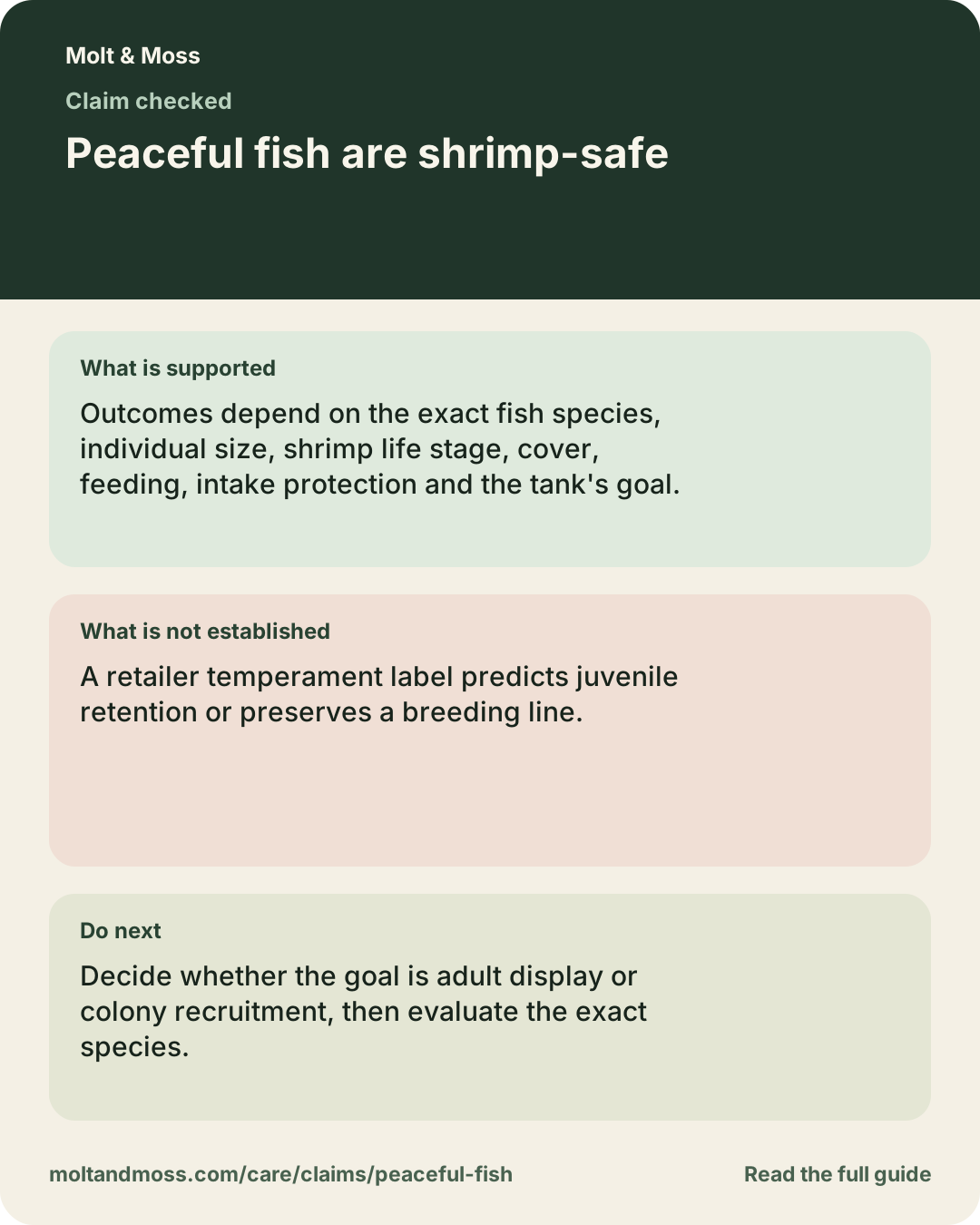
"Peaceful fish are shrimp-safe"
Use the complete answer. A verdict without its boundary and next action can become another myth.
What is supported
outcomes depend on the exact fish species, individual size, shrimp life stage, cover, feeding, intake protection and the tank's goal.
What is not established
a retailer temperament label predicts juvenile retention or preserves a breeding line.
What to do next
decide whether the goal is adult display or colony recruitment, then evaluate the exact species. Use the tankmate guide.
Exact evidence trace
This is the selected claim-level trace, not every source used by the broader guide. Roles describe how each record is used here; they are not quality grades.
Evidence records
- interpretive context Shelter preference and variation in the daily activity pattern of the ornamental shrimp Neocaridina davidi: Shelter and context affect shrimp responses but the study does not validate a fish-safe list.
- interpretive context Among-individual behavioural variation in the ornamental red cherry shrimp Neocaridina heteropoda: Behavior varies with context and cannot substitute for multigeneration recruitment outcomes.
- interpretive context Quantitative genetics of shy-bold behaviour and plastic response to novel predator cues in the cherry shrimp Neocaridina davidi: Quantified behavior does not establish juvenile survival with named fish.
Named open questions
- How do named fish species affect adult retention and juvenile recruitment? Predator-cue behaviour and shelter studies did not place fish with shrimp and follow colony outcomes.
Inspect the broader guide evidence dossier for all records, authorities, gaps, searches and changes connected to the practical guide.
Share the complete answer
Open the plain-text answer or open the original teaching card.
The detailed guide owns the evidence and limitations. Challenge this claim with a stable source if an important boundary is missing or stale.