Return to the guided care paths
Tank-side decision cards
Start with the situation in front of you. Each card keeps one observation, first action, record and stopping boundary attached to the detailed guide that owns the evidence.
First decision, not complete advice. These cards add no new biological claim. They do not diagnose an animal, authorize treatment or replace the complete method and source limits in the governing guide.
Open all cards as plain text or download the structured collection.
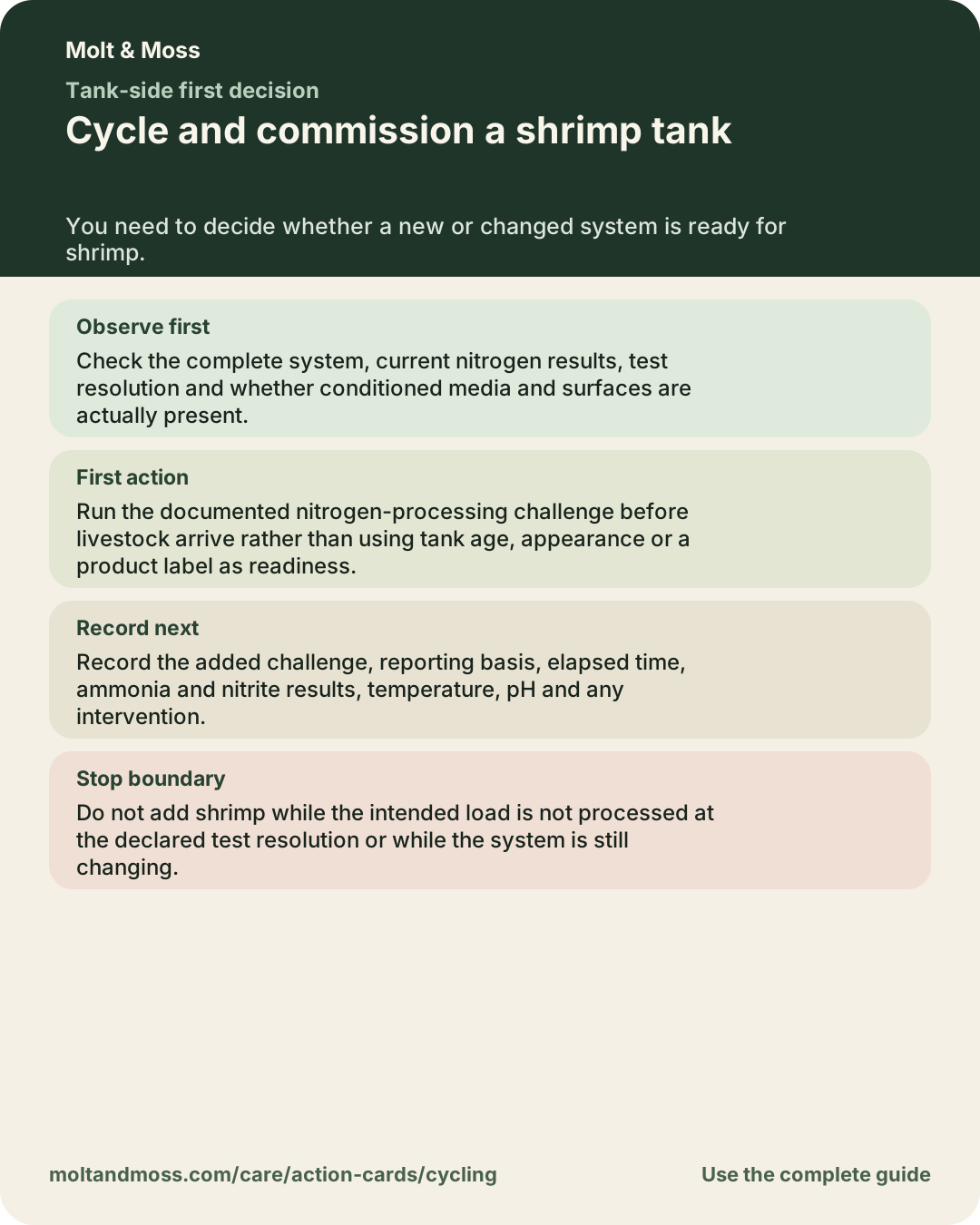
Cycle and commission a shrimp tank
Situation: You need to decide whether a new or changed system is ready for shrimp.
Observe first: Check the complete system, current nitrogen results, test resolution and whether conditioned media and surfaces are actually present.
First action: Run the documented nitrogen-processing challenge before livestock arrive rather than using tank age, appearance or a product label as readiness.
Record next: Record the added challenge, reporting basis, elapsed time, ammonia and nitrite results, temperature, pH and any intervention.
Stop boundary: Do not add shrimp while the intended load is not processed at the declared test resolution or while the system is still changing.
Open the permanent card, open the governing guide, open this portable card, or open the complete visual card.
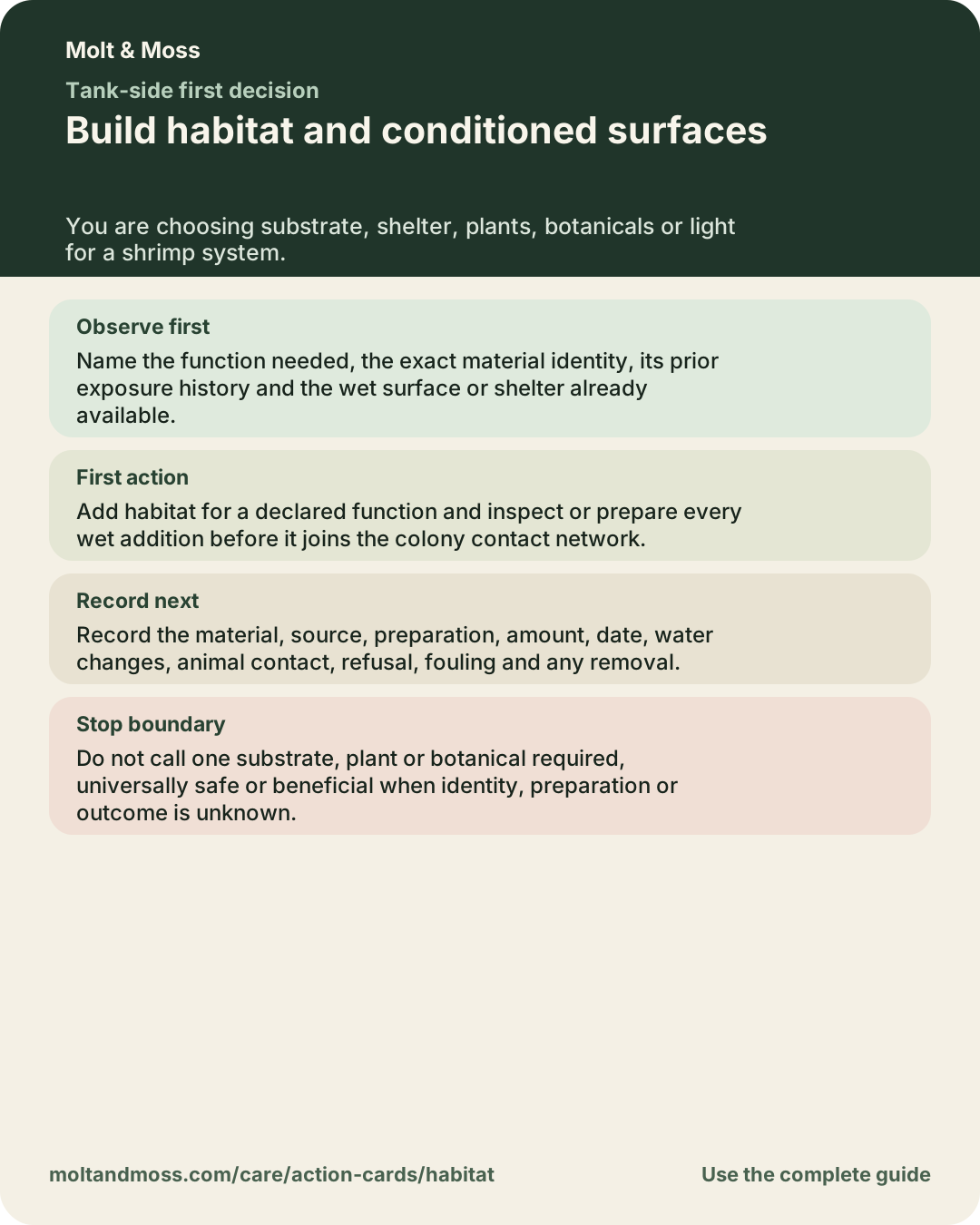
Build habitat and conditioned surfaces
Situation: You are choosing substrate, shelter, plants, botanicals or light for a shrimp system.
Observe first: Name the function needed, the exact material identity, its prior exposure history and the wet surface or shelter already available.
First action: Add habitat for a declared function and inspect or prepare every wet addition before it joins the colony contact network.
Record next: Record the material, source, preparation, amount, date, water changes, animal contact, refusal, fouling and any removal.
Stop boundary: Do not call one substrate, plant or botanical required, universally safe or beneficial when identity, preparation or outcome is unknown.
Open the permanent card, open the governing guide, open this portable card, or open the complete visual card.
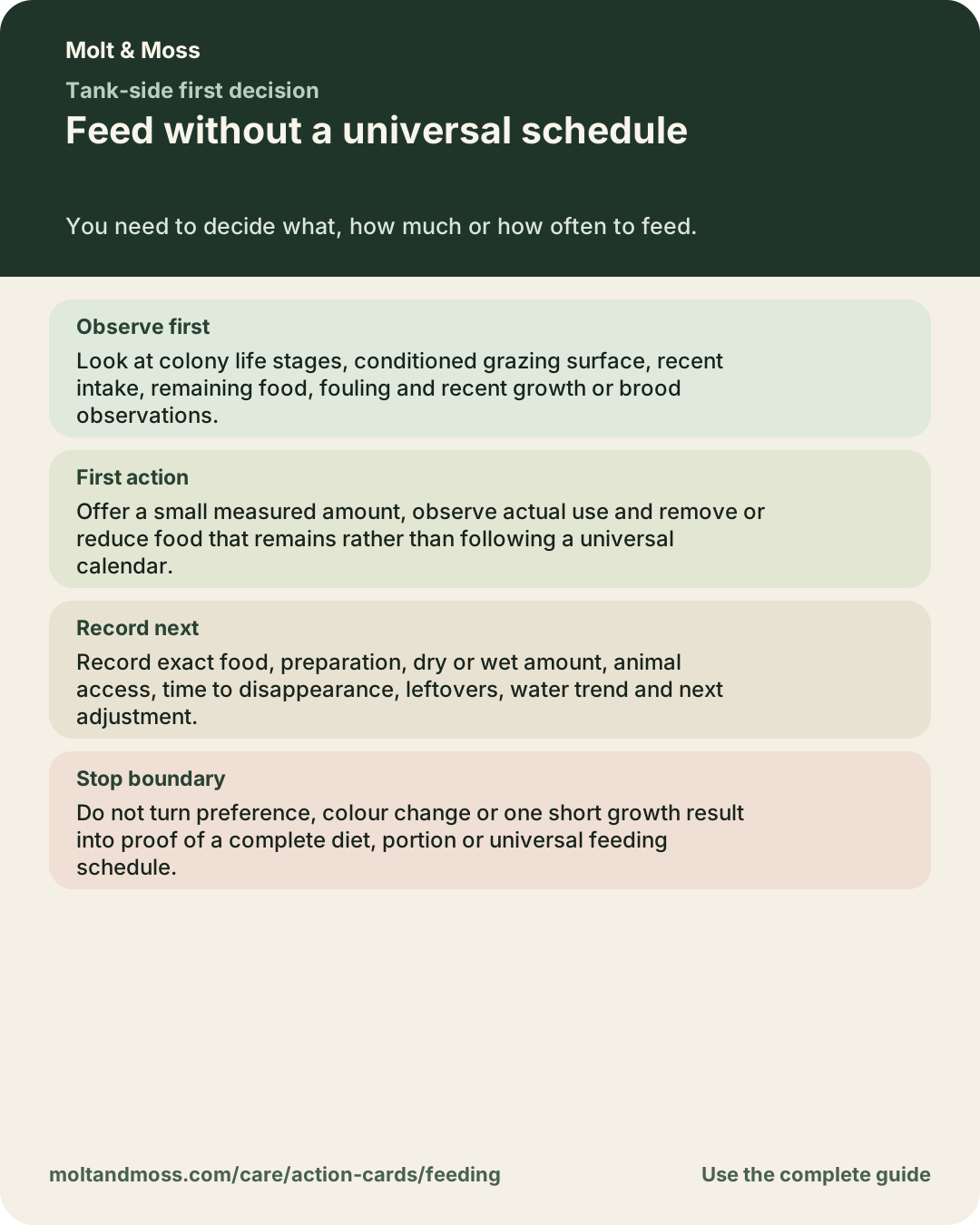
Feed without a universal schedule
Situation: You need to decide what, how much or how often to feed.
Observe first: Look at colony life stages, conditioned grazing surface, recent intake, remaining food, fouling and recent growth or brood observations.
First action: Offer a small measured amount, observe actual use and remove or reduce food that remains rather than following a universal calendar.
Record next: Record exact food, preparation, dry or wet amount, animal access, time to disappearance, leftovers, water trend and next adjustment.
Stop boundary: Do not turn preference, colour change or one short growth result into proof of a complete diet, portion or universal feeding schedule.
Open the permanent card, open the governing guide, open this portable card, or open the complete visual card.
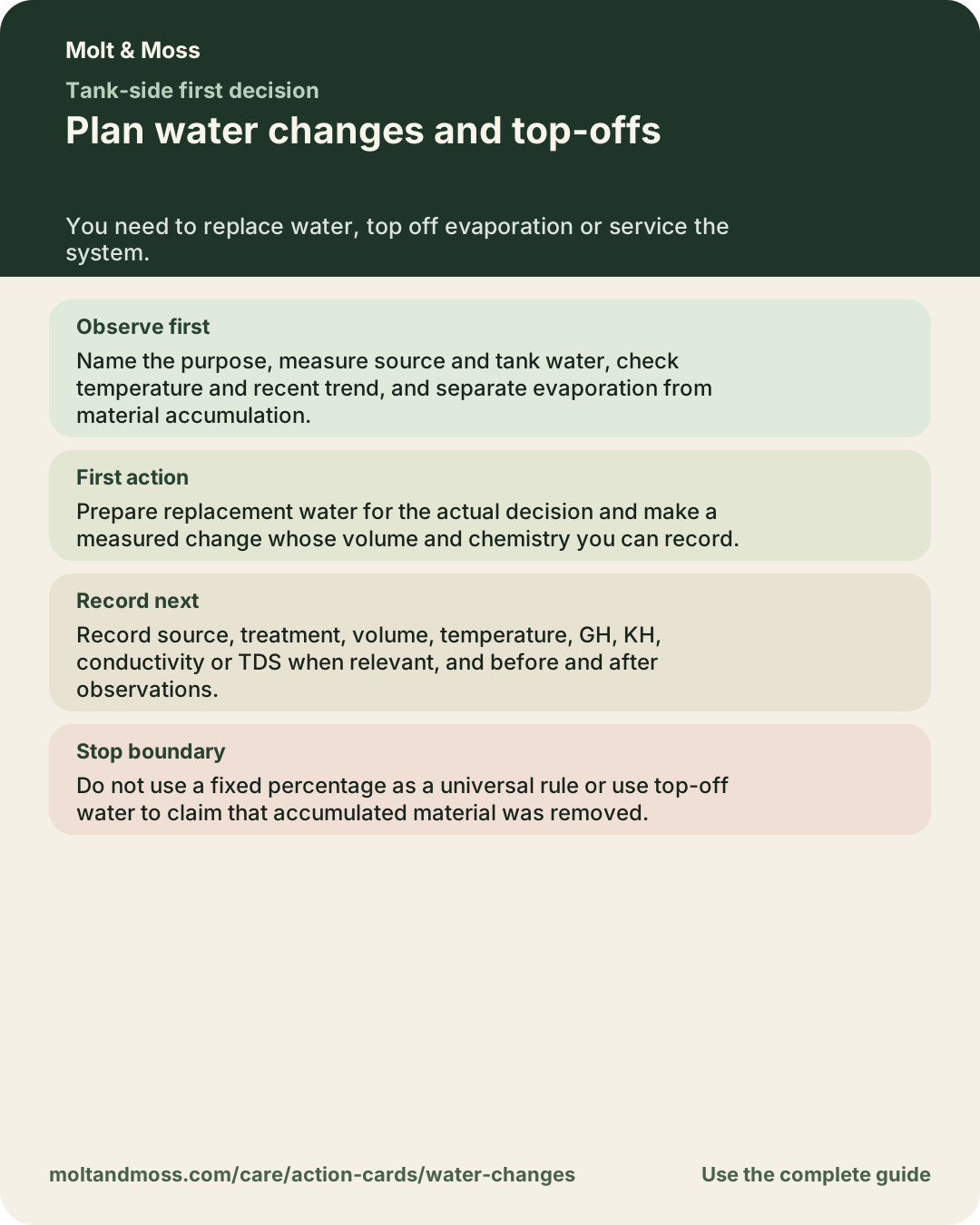
Plan water changes and top-offs
Situation: You need to replace water, top off evaporation or service the system.
Observe first: Name the purpose, measure source and tank water, check temperature and recent trend, and separate evaporation from material accumulation.
First action: Prepare replacement water for the actual decision and make a measured change whose volume and chemistry you can record.
Record next: Record source, treatment, volume, temperature, GH, KH, conductivity or TDS when relevant, and before and after observations.
Stop boundary: Do not use a fixed percentage as a universal rule or use top-off water to claim that accumulated material was removed.
Open the permanent card, open the governing guide, open this portable card, or open the complete visual card.
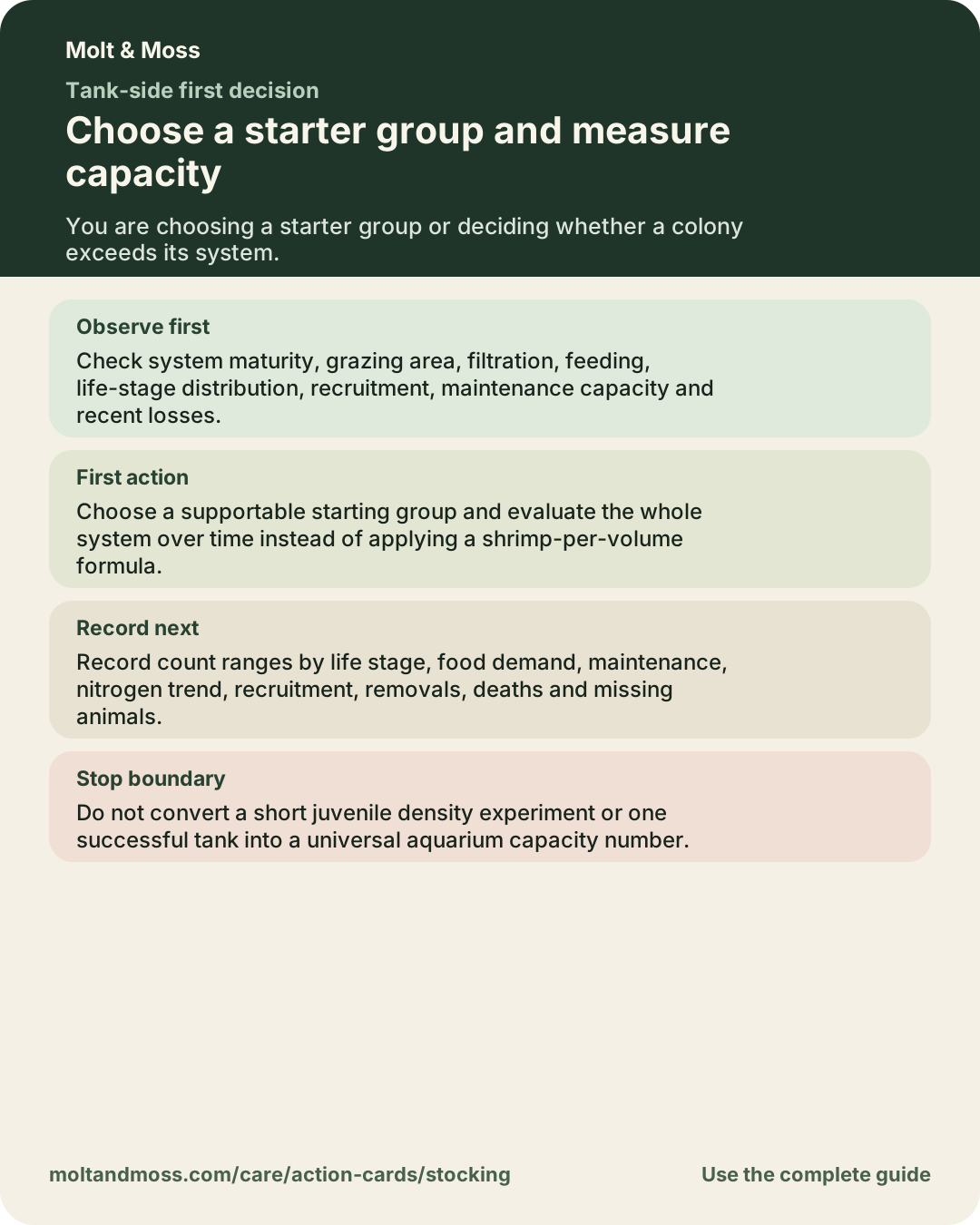
Choose a starter group and measure capacity
Situation: You are choosing a starter group or deciding whether a colony exceeds its system.
Observe first: Check system maturity, grazing area, filtration, feeding, life-stage distribution, recruitment, maintenance capacity and recent losses.
First action: Choose a supportable starting group and evaluate the whole system over time instead of applying a shrimp-per-volume formula.
Record next: Record count ranges by life stage, food demand, maintenance, nitrogen trend, recruitment, removals, deaths and missing animals.
Stop boundary: Do not convert a short juvenile density experiment or one successful tank into a universal aquarium capacity number.
Open the permanent card, open the governing guide, open this portable card, or open the complete visual card.
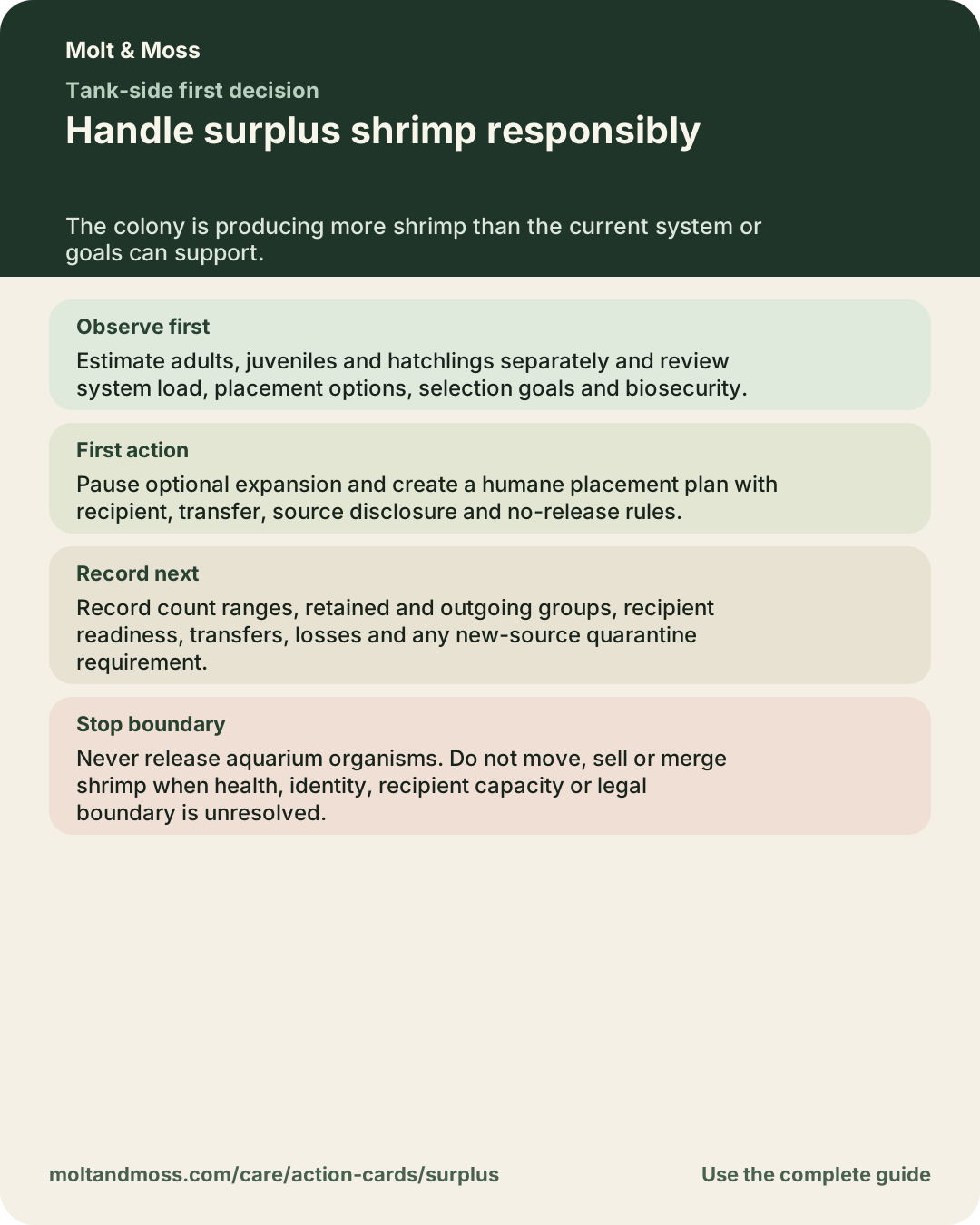
Handle surplus shrimp responsibly
Situation: The colony is producing more shrimp than the current system or goals can support.
Observe first: Estimate adults, juveniles and hatchlings separately and review system load, placement options, selection goals and biosecurity.
First action: Pause optional expansion and create a humane placement plan with recipient, transfer, source disclosure and no-release rules.
Record next: Record count ranges, retained and outgoing groups, recipient readiness, transfers, losses and any new-source quarantine requirement.
Stop boundary: Never release aquarium organisms. Do not move, sell or merge shrimp when health, identity, recipient capacity or legal boundary is unresolved.
Open the permanent card, open the governing guide, open this portable card, or open the complete visual card.
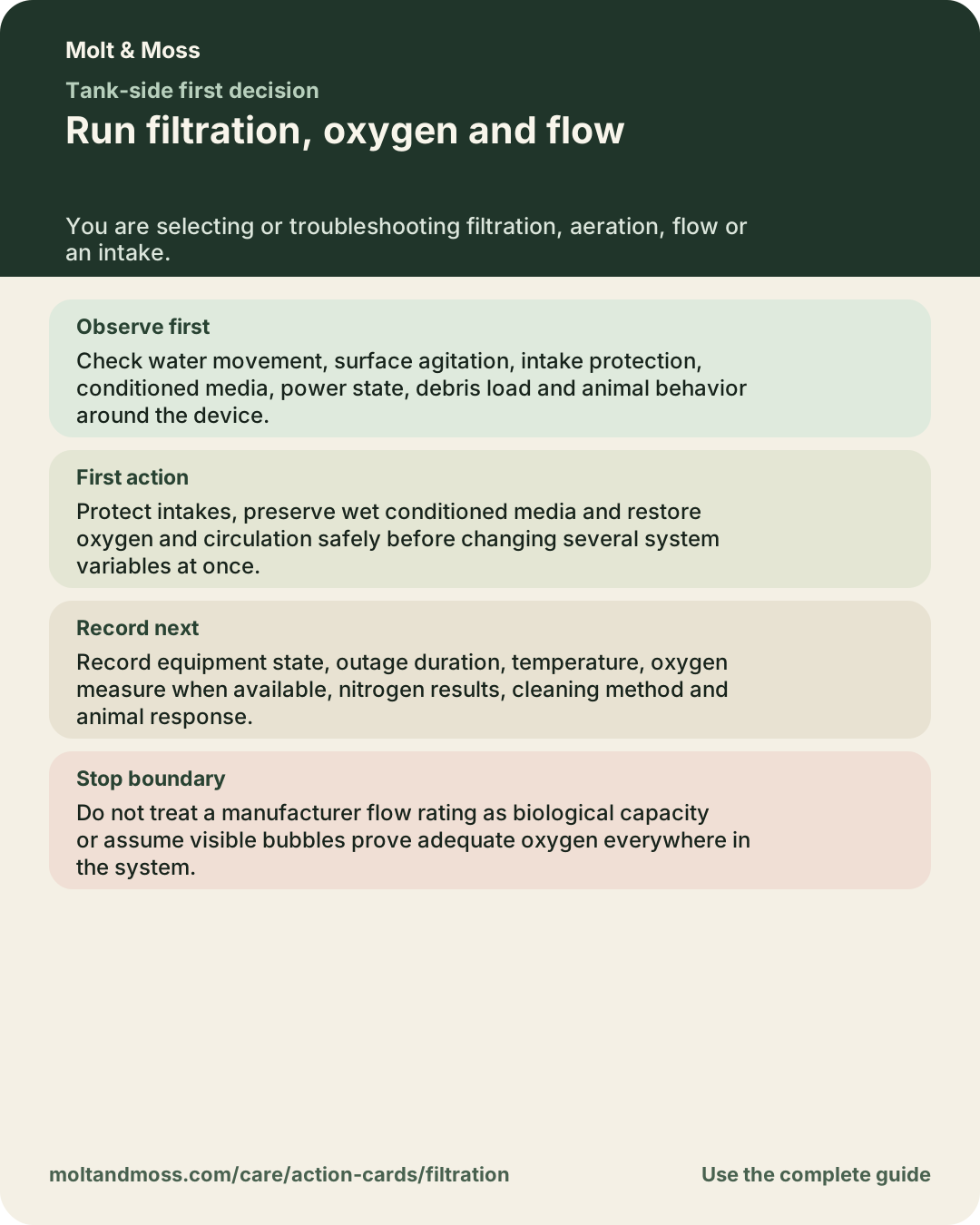
Run filtration, oxygen and flow
Situation: You are selecting or troubleshooting filtration, aeration, flow or an intake.
Observe first: Check water movement, surface agitation, intake protection, conditioned media, power state, debris load and animal behavior around the device.
First action: Protect intakes, preserve wet conditioned media and restore oxygen and circulation safely before changing several system variables at once.
Record next: Record equipment state, outage duration, temperature, oxygen measure when available, nitrogen results, cleaning method and animal response.
Stop boundary: Do not treat a manufacturer flow rating as biological capacity or assume visible bubbles prove adequate oxygen everywhere in the system.
Open the permanent card, open the governing guide, open this portable card, or open the complete visual card.
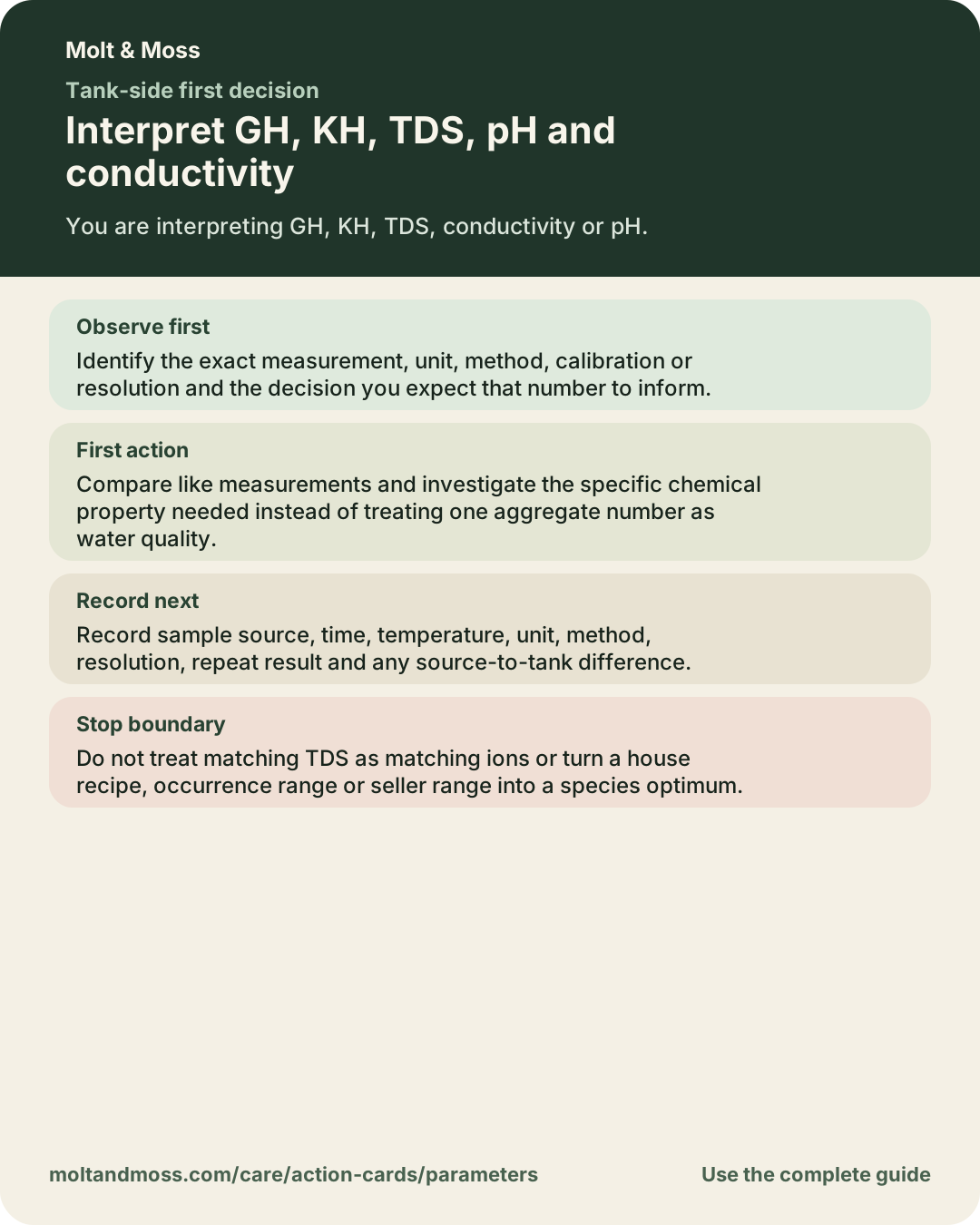
Interpret GH, KH, TDS, pH and conductivity
Situation: You are interpreting GH, KH, TDS, conductivity or pH.
Observe first: Identify the exact measurement, unit, method, calibration or resolution and the decision you expect that number to inform.
First action: Compare like measurements and investigate the specific chemical property needed instead of treating one aggregate number as water quality.
Record next: Record sample source, time, temperature, unit, method, resolution, repeat result and any source-to-tank difference.
Stop boundary: Do not treat matching TDS as matching ions or turn a house recipe, occurrence range or seller range into a species optimum.
Open the permanent card, open the governing guide, open this portable card, or open the complete visual card.
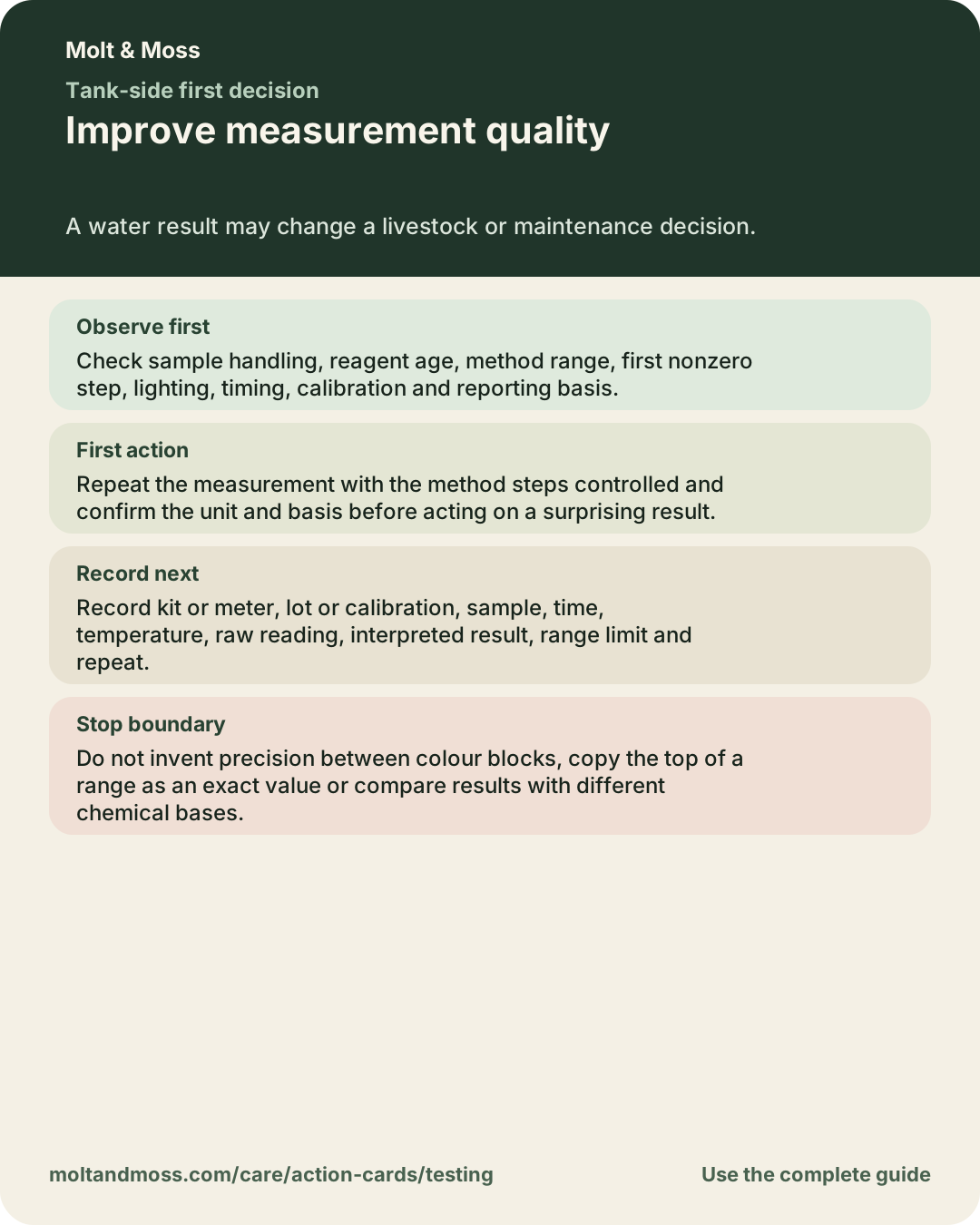
Improve measurement quality
Situation: A water result may change a livestock or maintenance decision.
Observe first: Check sample handling, reagent age, method range, first nonzero step, lighting, timing, calibration and reporting basis.
First action: Repeat the measurement with the method steps controlled and confirm the unit and basis before acting on a surprising result.
Record next: Record kit or meter, lot or calibration, sample, time, temperature, raw reading, interpreted result, range limit and repeat.
Stop boundary: Do not invent precision between colour blocks, copy the top of a range as an exact value or compare results with different chemical bases.
Open the permanent card, open the governing guide, open this portable card, or open the complete visual card.
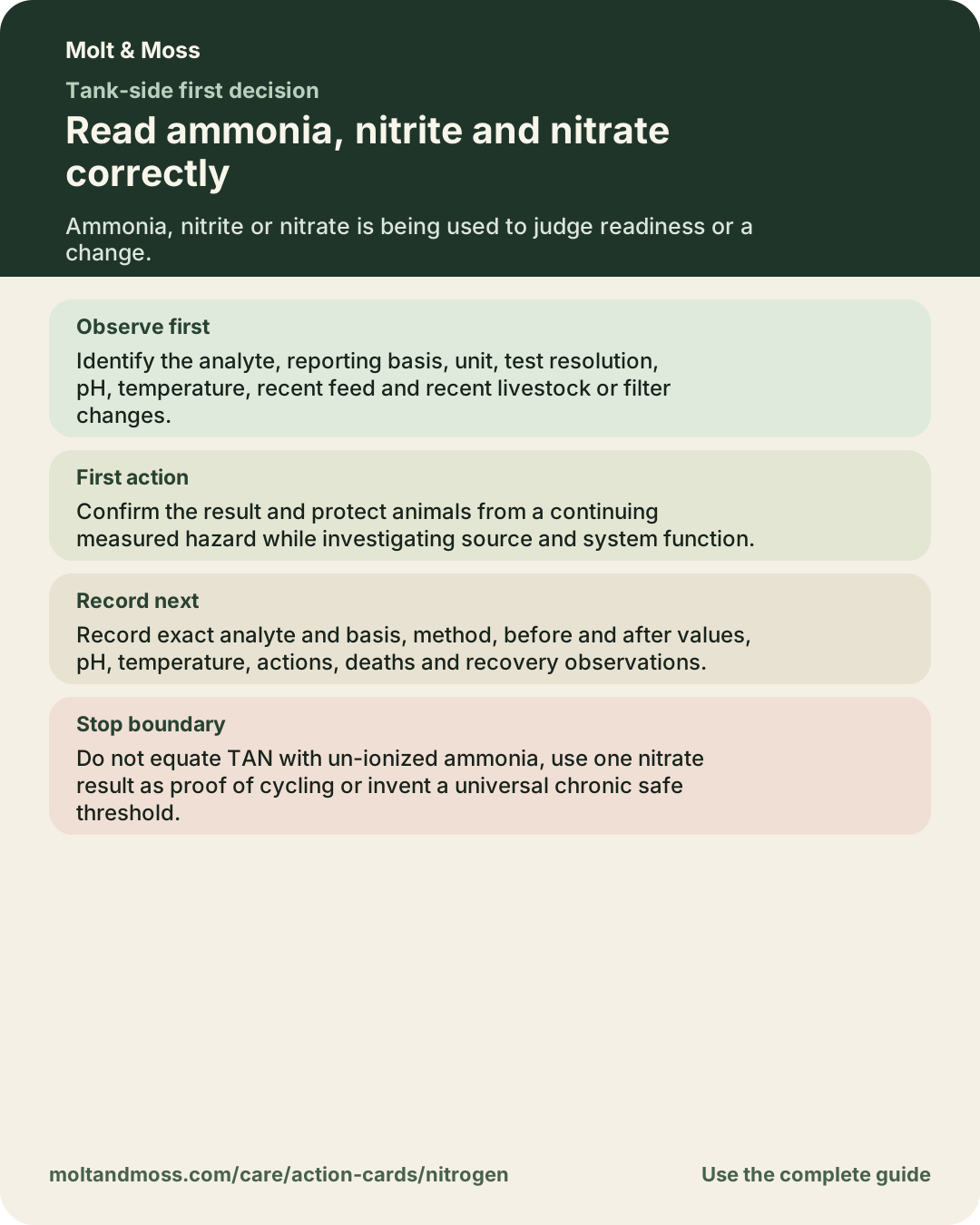
Read ammonia, nitrite and nitrate correctly
Situation: Ammonia, nitrite or nitrate is being used to judge readiness or a change.
Observe first: Identify the analyte, reporting basis, unit, test resolution, pH, temperature, recent feed and recent livestock or filter changes.
First action: Confirm the result and protect animals from a continuing measured hazard while investigating source and system function.
Record next: Record exact analyte and basis, method, before and after values, pH, temperature, actions, deaths and recovery observations.
Stop boundary: Do not equate TAN with un-ionized ammonia, use one nitrate result as proof of cycling or invent a universal chronic safe threshold.
Open the permanent card, open the governing guide, open this portable card, or open the complete visual card.
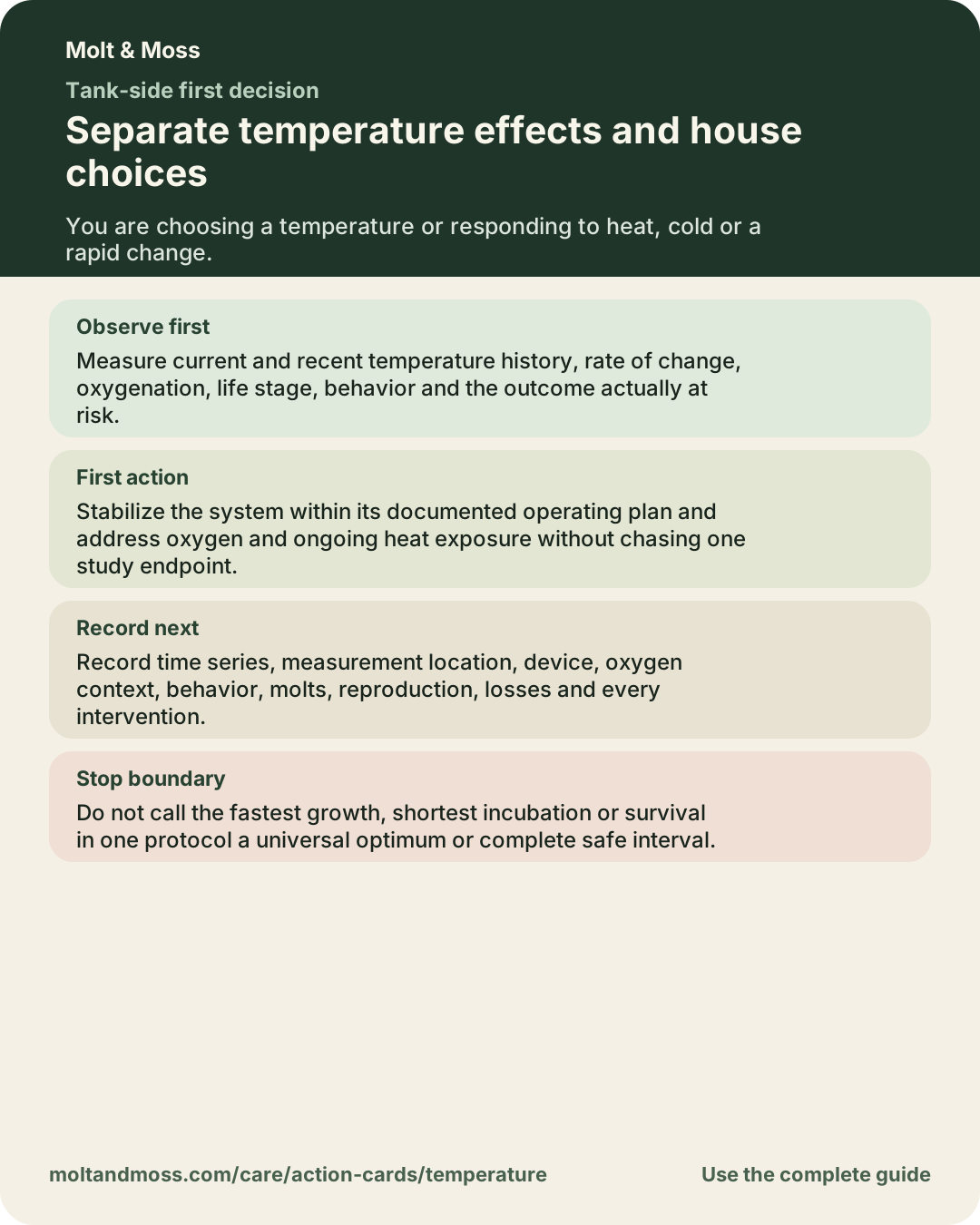
Separate temperature effects and house choices
Situation: You are choosing a temperature or responding to heat, cold or a rapid change.
Observe first: Measure current and recent temperature history, rate of change, oxygenation, life stage, behavior and the outcome actually at risk.
First action: Stabilize the system within its documented operating plan and address oxygen and ongoing heat exposure without chasing one study endpoint.
Record next: Record time series, measurement location, device, oxygen context, behavior, molts, reproduction, losses and every intervention.
Stop boundary: Do not call the fastest growth, shortest incubation or survival in one protocol a universal optimum or complete safe interval.
Open the permanent card, open the governing guide, open this portable card, or open the complete visual card.
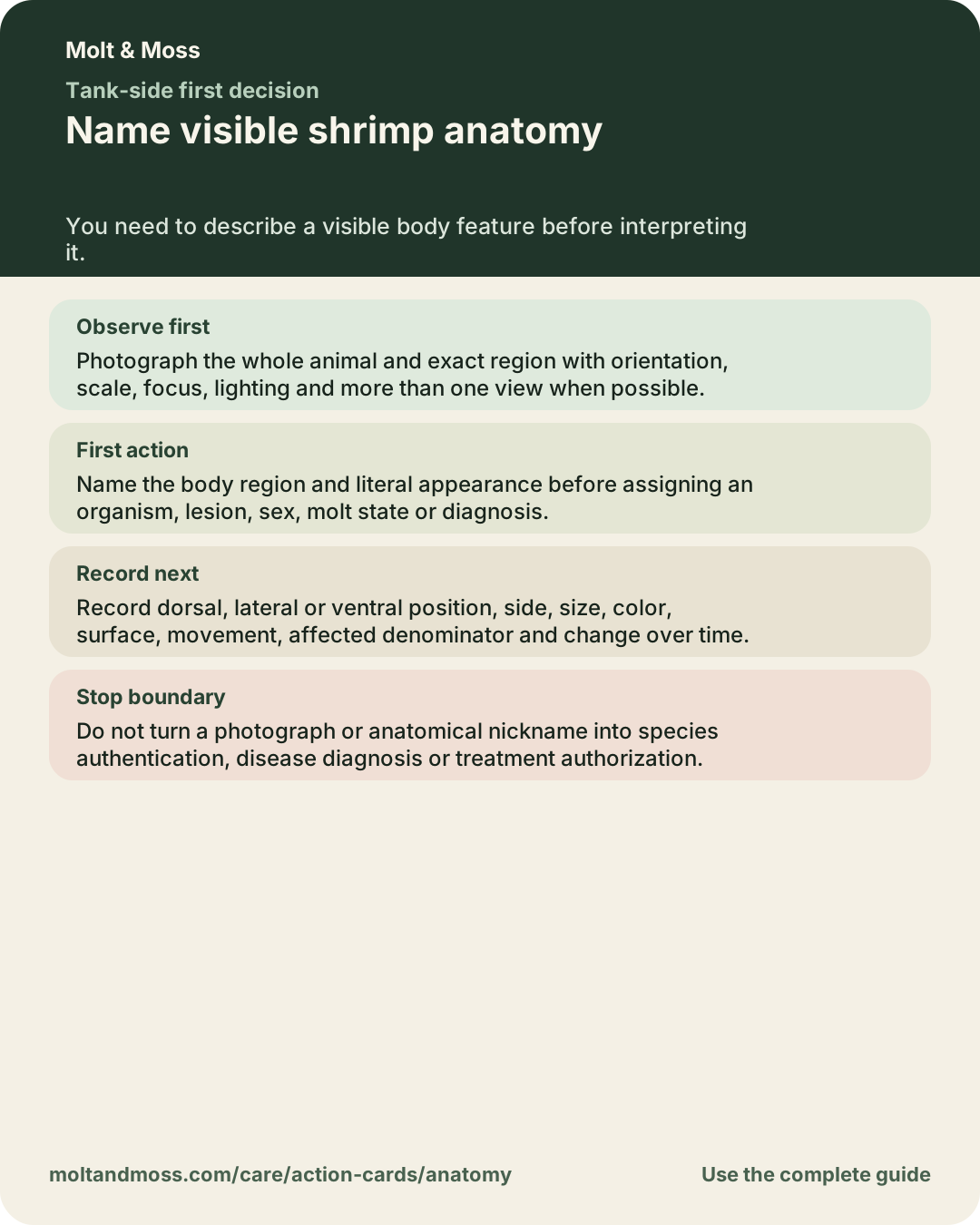
Name visible shrimp anatomy
Situation: You need to describe a visible body feature before interpreting it.
Observe first: Photograph the whole animal and exact region with orientation, scale, focus, lighting and more than one view when possible.
First action: Name the body region and literal appearance before assigning an organism, lesion, sex, molt state or diagnosis.
Record next: Record dorsal, lateral or ventral position, side, size, color, surface, movement, affected denominator and change over time.
Stop boundary: Do not turn a photograph or anatomical nickname into species authentication, disease diagnosis or treatment authorization.
Open the permanent card, open the governing guide, open this portable card, or open the complete visual card.
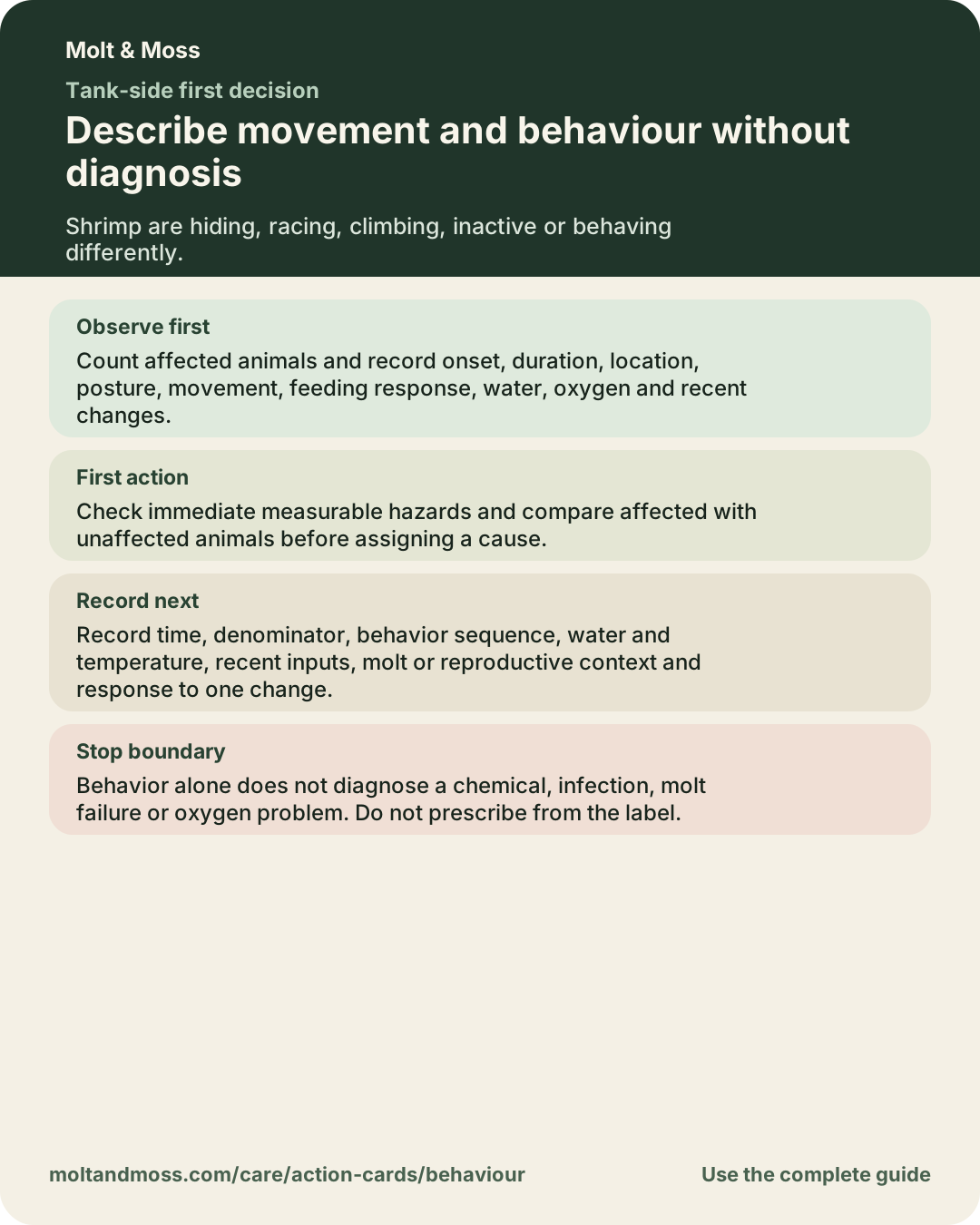
Describe movement and behaviour without diagnosis
Situation: Shrimp are hiding, racing, climbing, inactive or behaving differently.
Observe first: Count affected animals and record onset, duration, location, posture, movement, feeding response, water, oxygen and recent changes.
First action: Check immediate measurable hazards and compare affected with unaffected animals before assigning a cause.
Record next: Record time, denominator, behavior sequence, water and temperature, recent inputs, molt or reproductive context and response to one change.
Stop boundary: Behavior alone does not diagnose a chemical, infection, molt failure or oxygen problem. Do not prescribe from the label.
Open the permanent card, open the governing guide, open this portable card, or open the complete visual card.
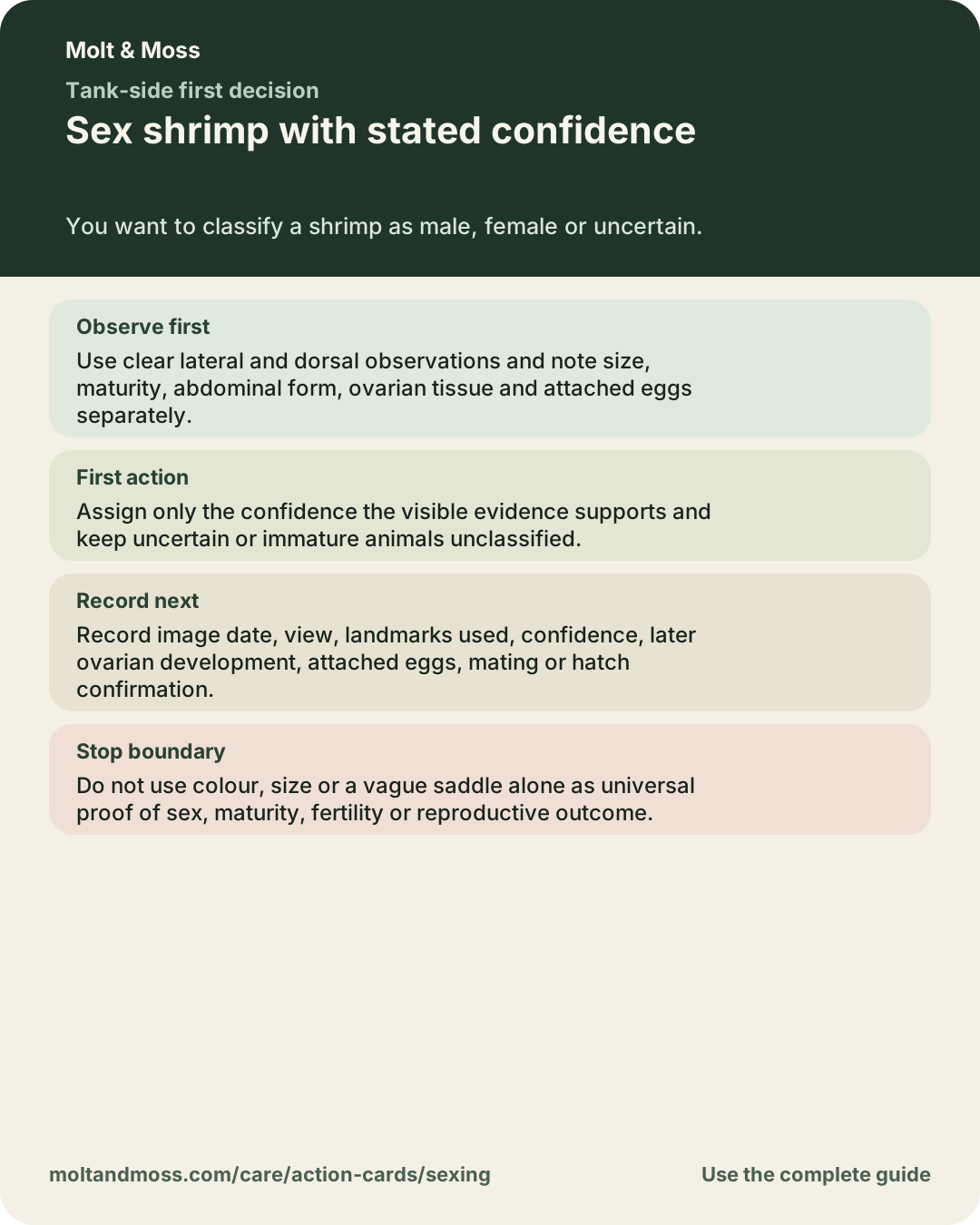
Sex shrimp with stated confidence
Situation: You want to classify a shrimp as male, female or uncertain.
Observe first: Use clear lateral and dorsal observations and note size, maturity, abdominal form, ovarian tissue and attached eggs separately.
First action: Assign only the confidence the visible evidence supports and keep uncertain or immature animals unclassified.
Record next: Record image date, view, landmarks used, confidence, later ovarian development, attached eggs, mating or hatch confirmation.
Stop boundary: Do not use colour, size or a vague saddle alone as universal proof of sex, maturity, fertility or reproductive outcome.
Open the permanent card, open the governing guide, open this portable card, or open the complete visual card.
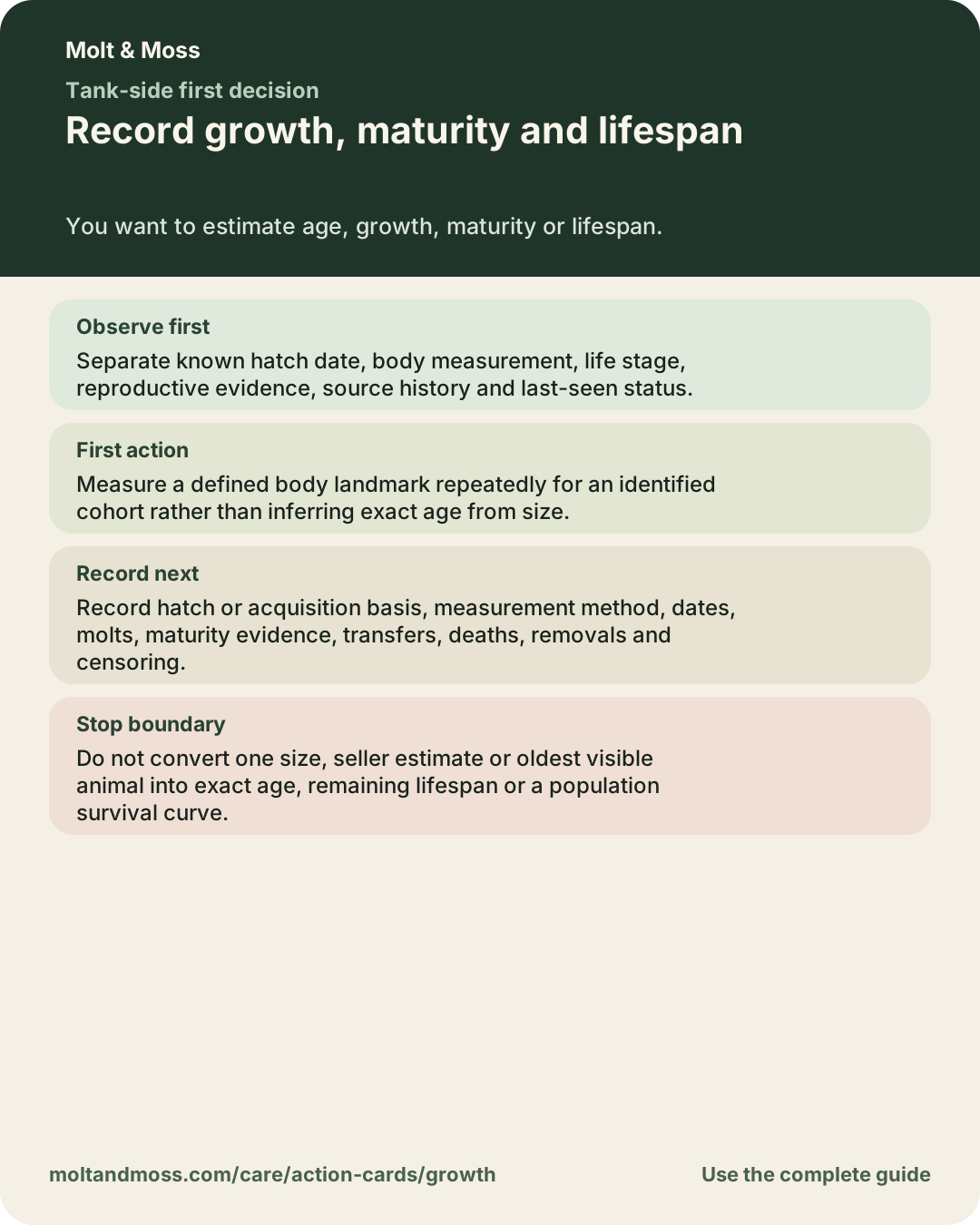
Record growth, maturity and lifespan
Situation: You want to estimate age, growth, maturity or lifespan.
Observe first: Separate known hatch date, body measurement, life stage, reproductive evidence, source history and last-seen status.
First action: Measure a defined body landmark repeatedly for an identified cohort rather than inferring exact age from size.
Record next: Record hatch or acquisition basis, measurement method, dates, molts, maturity evidence, transfers, deaths, removals and censoring.
Stop boundary: Do not convert one size, seller estimate or oldest visible animal into exact age, remaining lifespan or a population survival curve.
Open the permanent card, open the governing guide, open this portable card, or open the complete visual card.
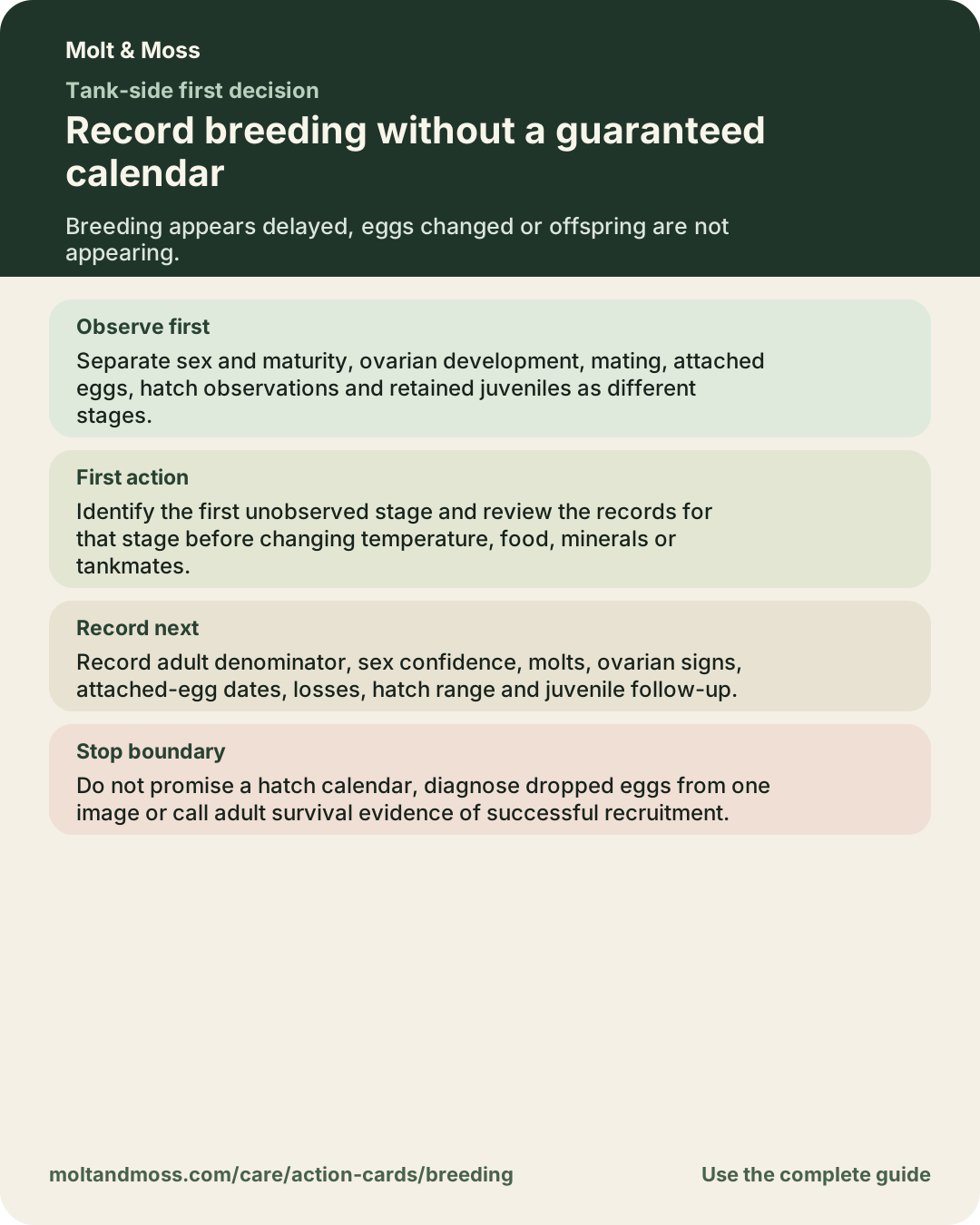
Record breeding without a guaranteed calendar
Situation: Breeding appears delayed, eggs changed or offspring are not appearing.
Observe first: Separate sex and maturity, ovarian development, mating, attached eggs, hatch observations and retained juveniles as different stages.
First action: Identify the first unobserved stage and review the records for that stage before changing temperature, food, minerals or tankmates.
Record next: Record adult denominator, sex confidence, molts, ovarian signs, attached-egg dates, losses, hatch range and juvenile follow-up.
Stop boundary: Do not promise a hatch calendar, diagnose dropped eggs from one image or call adult survival evidence of successful recruitment.
Open the permanent card, open the governing guide, open this portable card, or open the complete visual card.
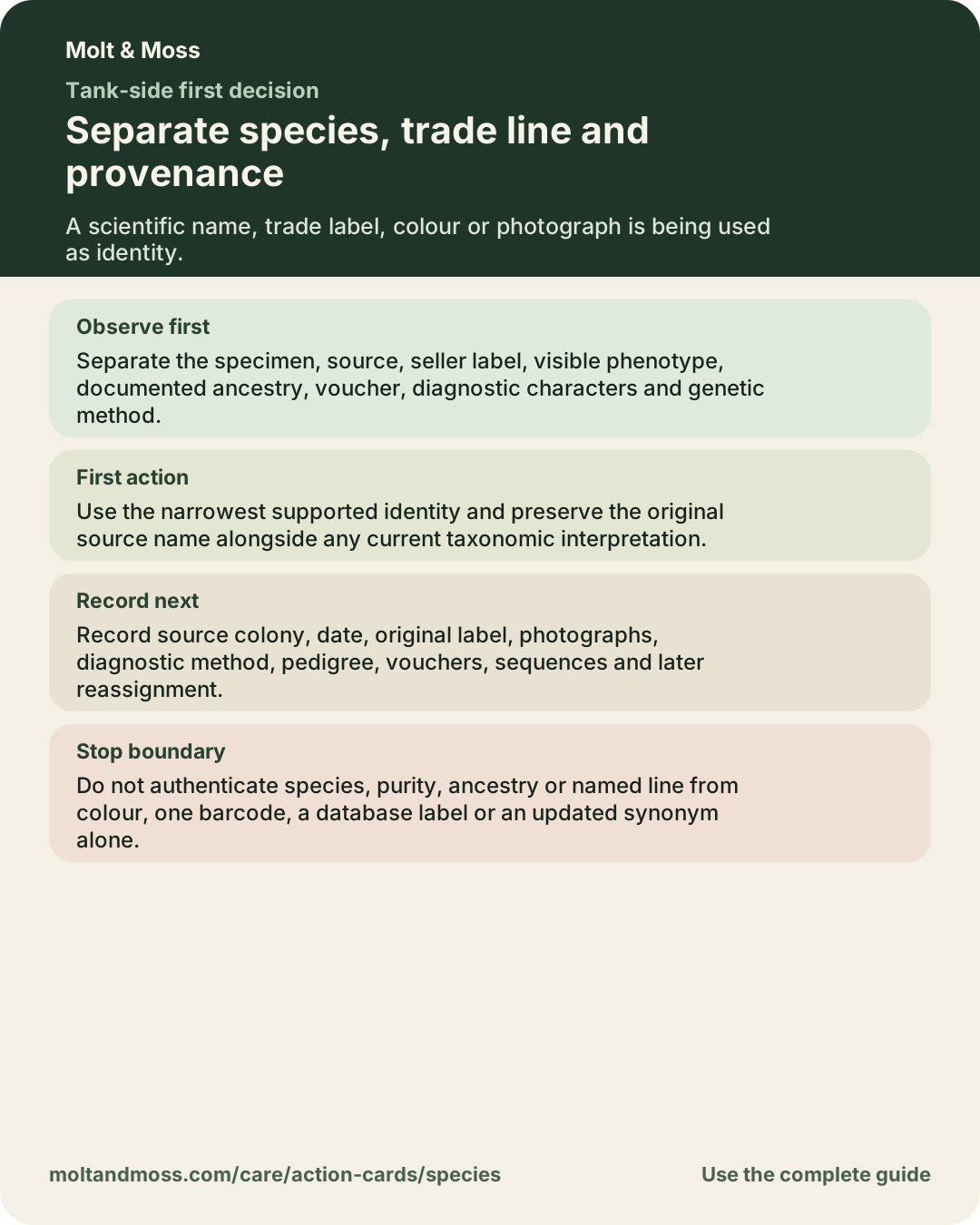
Separate species, trade line and provenance
Situation: A scientific name, trade label, colour or photograph is being used as identity.
Observe first: Separate the specimen, source, seller label, visible phenotype, documented ancestry, voucher, diagnostic characters and genetic method.
First action: Use the narrowest supported identity and preserve the original source name alongside any current taxonomic interpretation.
Record next: Record source colony, date, original label, photographs, diagnostic method, pedigree, vouchers, sequences and later reassignment.
Stop boundary: Do not authenticate species, purity, ancestry or named line from colour, one barcode, a database label or an updated synonym alone.
Open the permanent card, open the governing guide, open this portable card, or open the complete visual card.
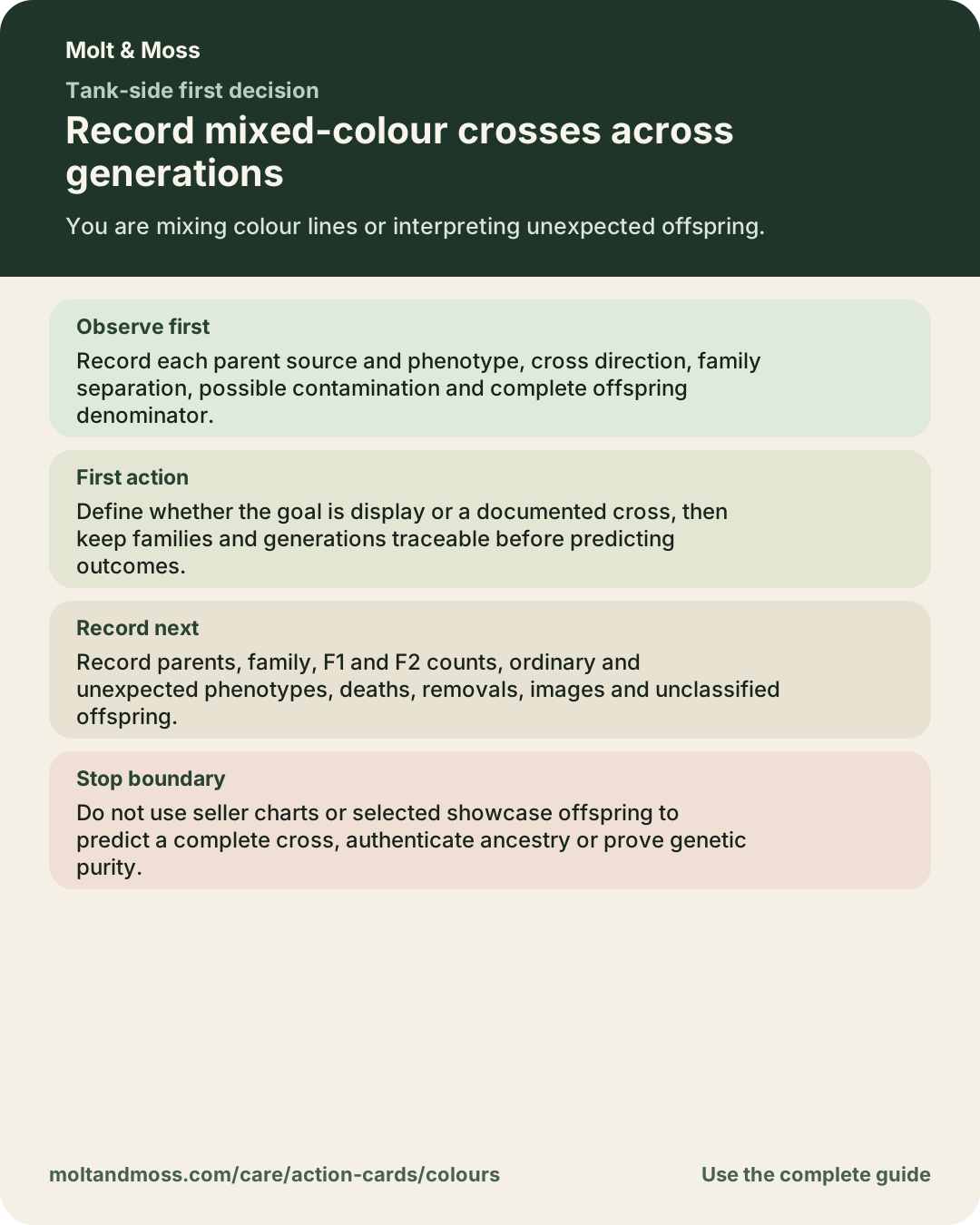
Record mixed-colour crosses across generations
Situation: You are mixing colour lines or interpreting unexpected offspring.
Observe first: Record each parent source and phenotype, cross direction, family separation, possible contamination and complete offspring denominator.
First action: Define whether the goal is display or a documented cross, then keep families and generations traceable before predicting outcomes.
Record next: Record parents, family, F1 and F2 counts, ordinary and unexpected phenotypes, deaths, removals, images and unclassified offspring.
Stop boundary: Do not use seller charts or selected showcase offspring to predict a complete cross, authenticate ancestry or prove genetic purity.
Open the permanent card, open the governing guide, open this portable card, or open the complete visual card.
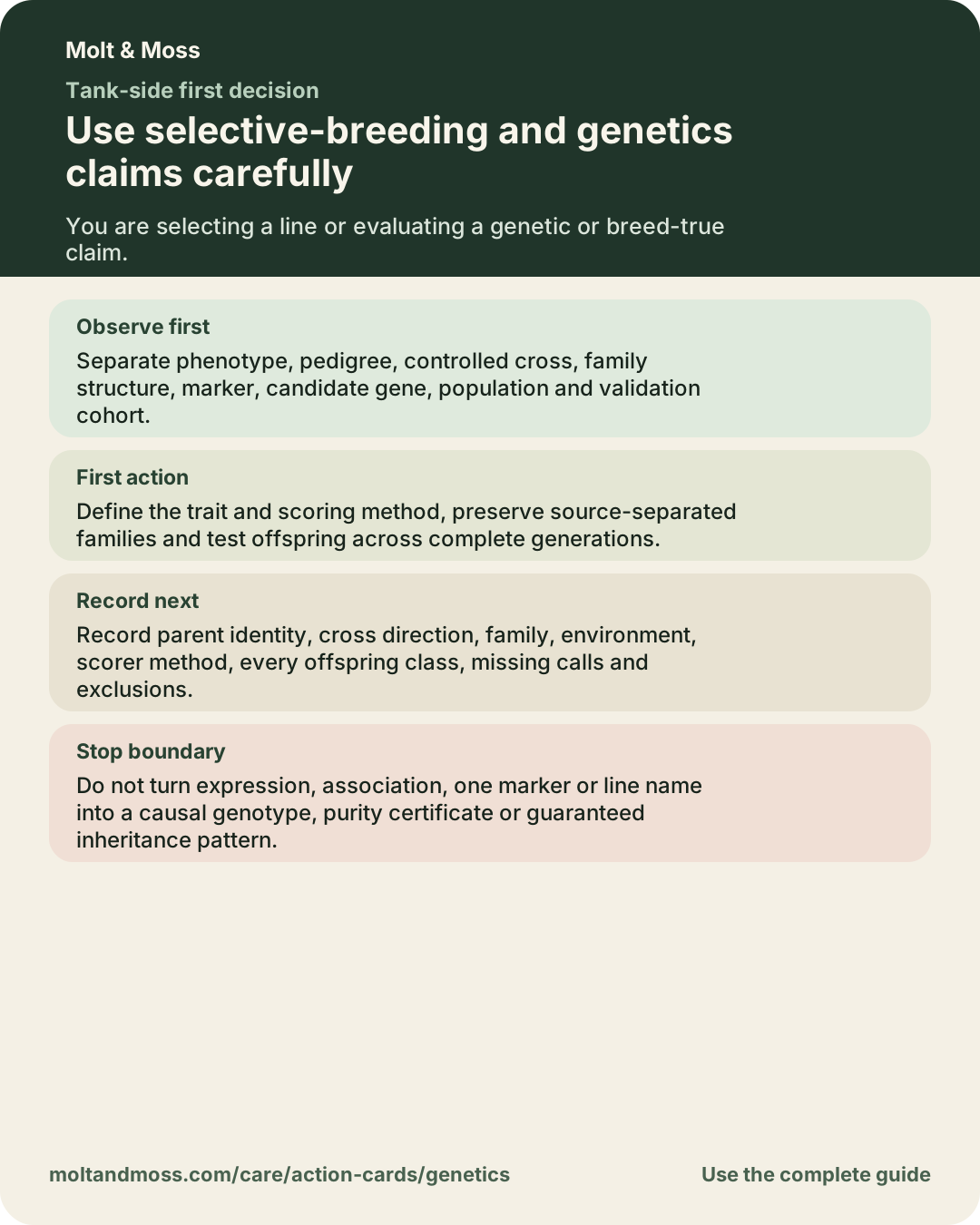
Use selective-breeding and genetics claims carefully
Situation: You are selecting a line or evaluating a genetic or breed-true claim.
Observe first: Separate phenotype, pedigree, controlled cross, family structure, marker, candidate gene, population and validation cohort.
First action: Define the trait and scoring method, preserve source-separated families and test offspring across complete generations.
Record next: Record parent identity, cross direction, family, environment, scorer method, every offspring class, missing calls and exclusions.
Stop boundary: Do not turn expression, association, one marker or line name into a causal genotype, purity certificate or guaranteed inheritance pattern.
Open the permanent card, open the governing guide, open this portable card, or open the complete visual card.
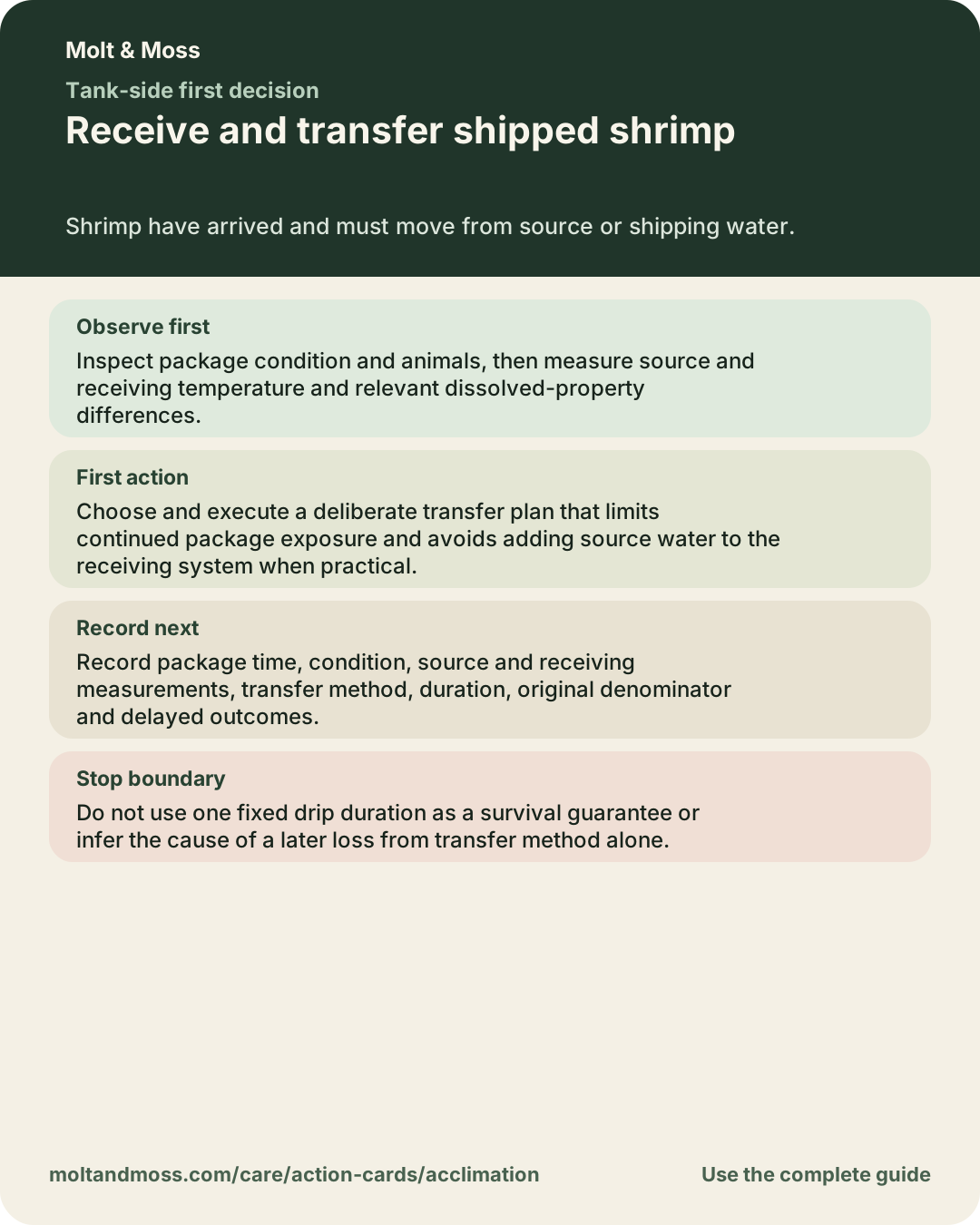
Receive and transfer shipped shrimp
Situation: Shrimp have arrived and must move from source or shipping water.
Observe first: Inspect package condition and animals, then measure source and receiving temperature and relevant dissolved-property differences.
First action: Choose and execute a deliberate transfer plan that limits continued package exposure and avoids adding source water to the receiving system when practical.
Record next: Record package time, condition, source and receiving measurements, transfer method, duration, original denominator and delayed outcomes.
Stop boundary: Do not use one fixed drip duration as a survival guarantee or infer the cause of a later loss from transfer method alone.
Open the permanent card, open the governing guide, open this portable card, or open the complete visual card.
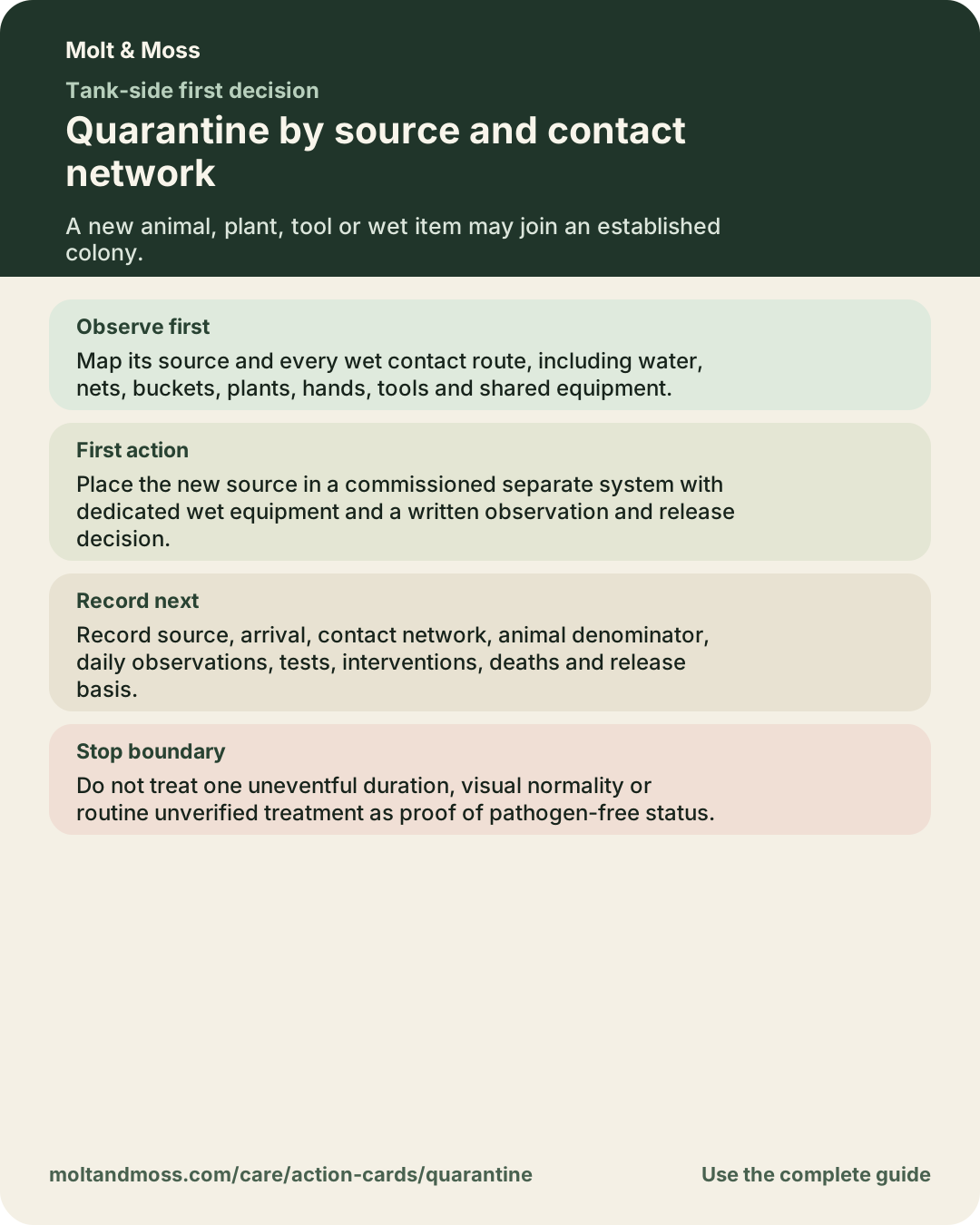
Quarantine by source and contact network
Situation: A new animal, plant, tool or wet item may join an established colony.
Observe first: Map its source and every wet contact route, including water, nets, buckets, plants, hands, tools and shared equipment.
First action: Place the new source in a commissioned separate system with dedicated wet equipment and a written observation and release decision.
Record next: Record source, arrival, contact network, animal denominator, daily observations, tests, interventions, deaths and release basis.
Stop boundary: Do not treat one uneventful duration, visual normality or routine unverified treatment as proof of pathogen-free status.
Open the permanent card, open the governing guide, open this portable card, or open the complete visual card.
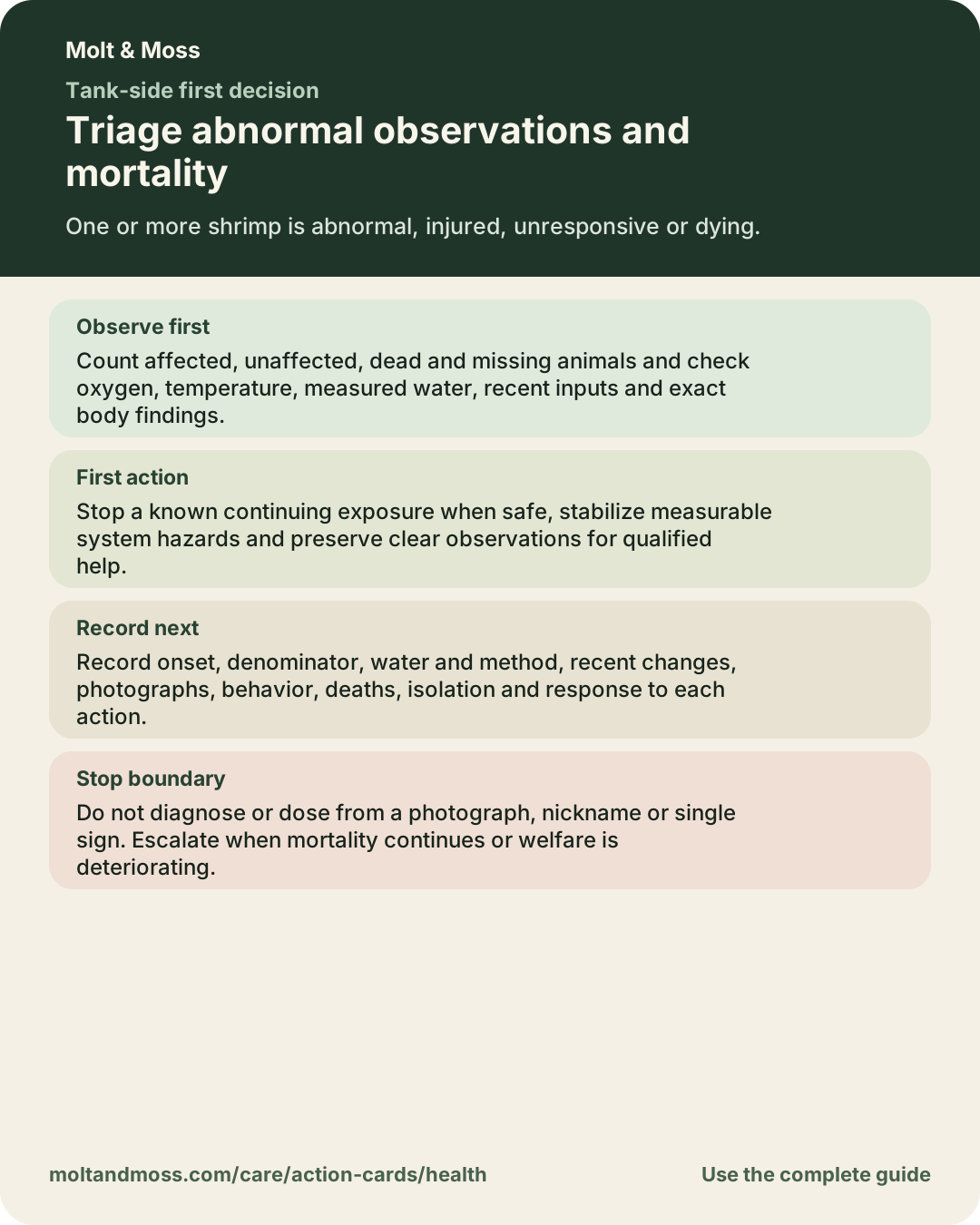
Triage abnormal observations and mortality
Situation: One or more shrimp is abnormal, injured, unresponsive or dying.
Observe first: Count affected, unaffected, dead and missing animals and check oxygen, temperature, measured water, recent inputs and exact body findings.
First action: Stop a known continuing exposure when safe, stabilize measurable system hazards and preserve clear observations for qualified help.
Record next: Record onset, denominator, water and method, recent changes, photographs, behavior, deaths, isolation and response to each action.
Stop boundary: Do not diagnose or dose from a photograph, nickname or single sign. Escalate when mortality continues or welfare is deteriorating.
Open the permanent card, open the governing guide, open this portable card, or open the complete visual card.
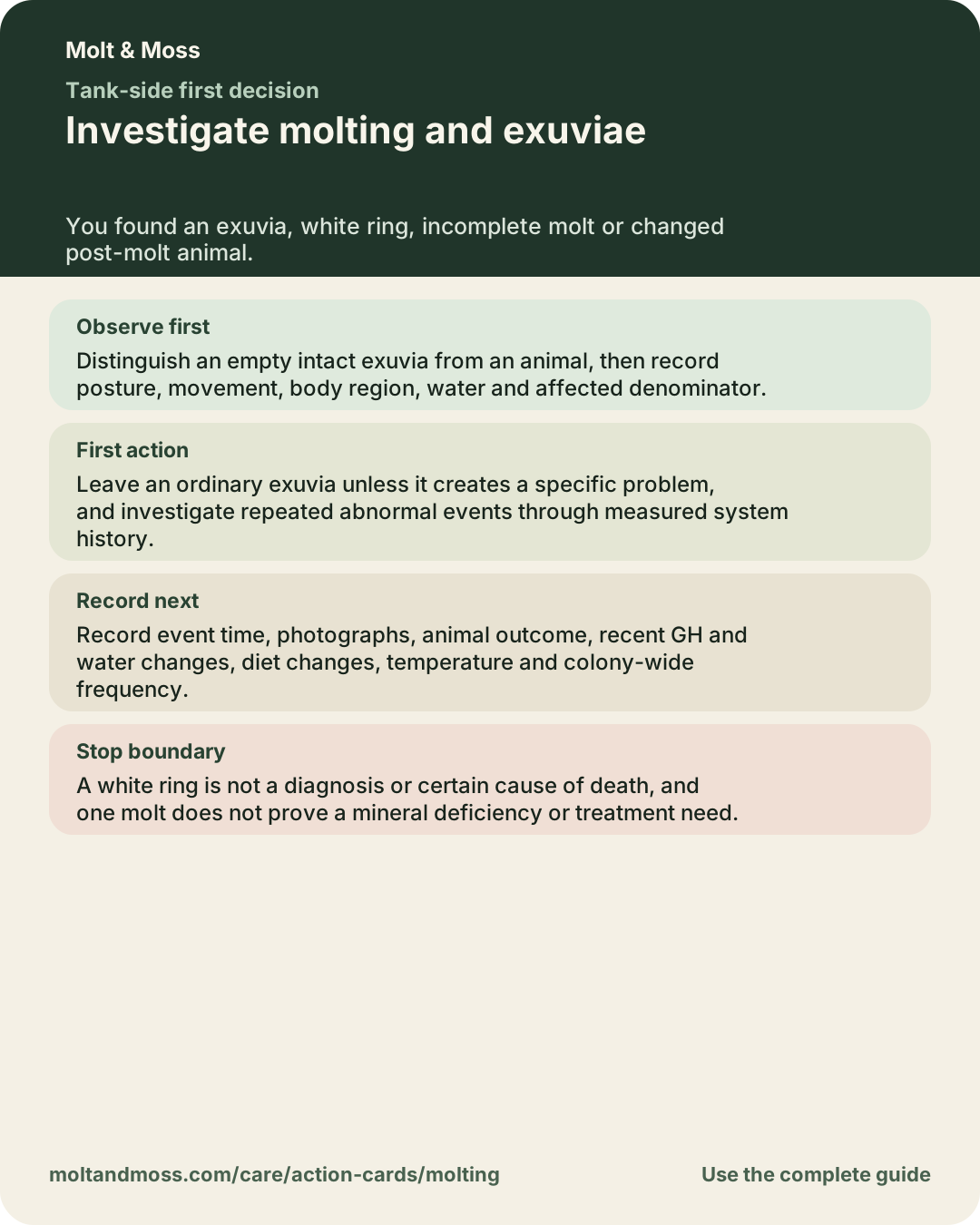
Investigate molting and exuviae
Situation: You found an exuvia, white ring, incomplete molt or changed post-molt animal.
Observe first: Distinguish an empty intact exuvia from an animal, then record posture, movement, body region, water and affected denominator.
First action: Leave an ordinary exuvia unless it creates a specific problem, and investigate repeated abnormal events through measured system history.
Record next: Record event time, photographs, animal outcome, recent GH and water changes, diet changes, temperature and colony-wide frequency.
Stop boundary: A white ring is not a diagnosis or certain cause of death, and one molt does not prove a mineral deficiency or treatment need.
Open the permanent card, open the governing guide, open this portable card, or open the complete visual card.
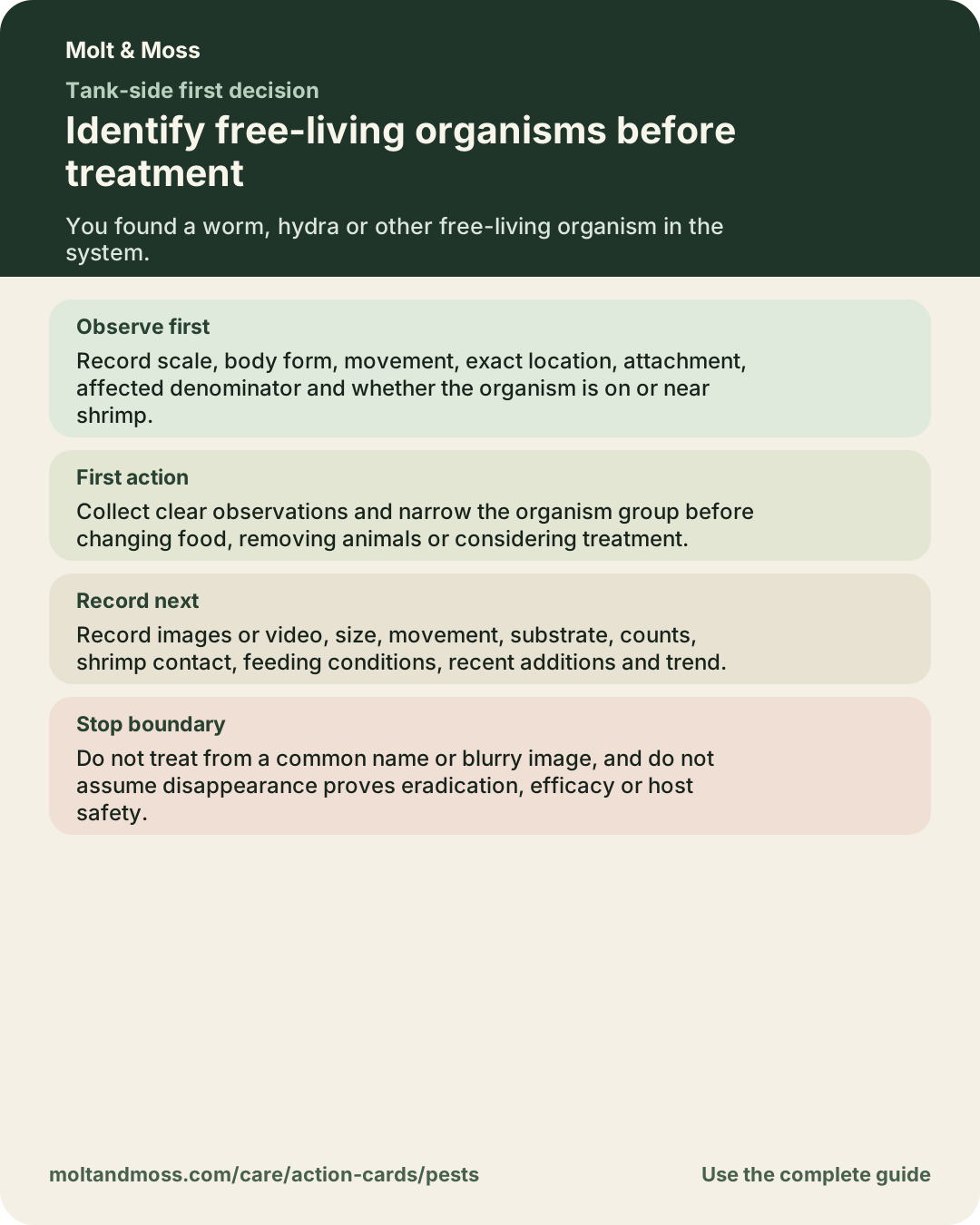
Identify free-living organisms before treatment
Situation: You found a worm, hydra or other free-living organism in the system.
Observe first: Record scale, body form, movement, exact location, attachment, affected denominator and whether the organism is on or near shrimp.
First action: Collect clear observations and narrow the organism group before changing food, removing animals or considering treatment.
Record next: Record images or video, size, movement, substrate, counts, shrimp contact, feeding conditions, recent additions and trend.
Stop boundary: Do not treat from a common name or blurry image, and do not assume disappearance proves eradication, efficacy or host safety.
Open the permanent card, open the governing guide, open this portable card, or open the complete visual card.
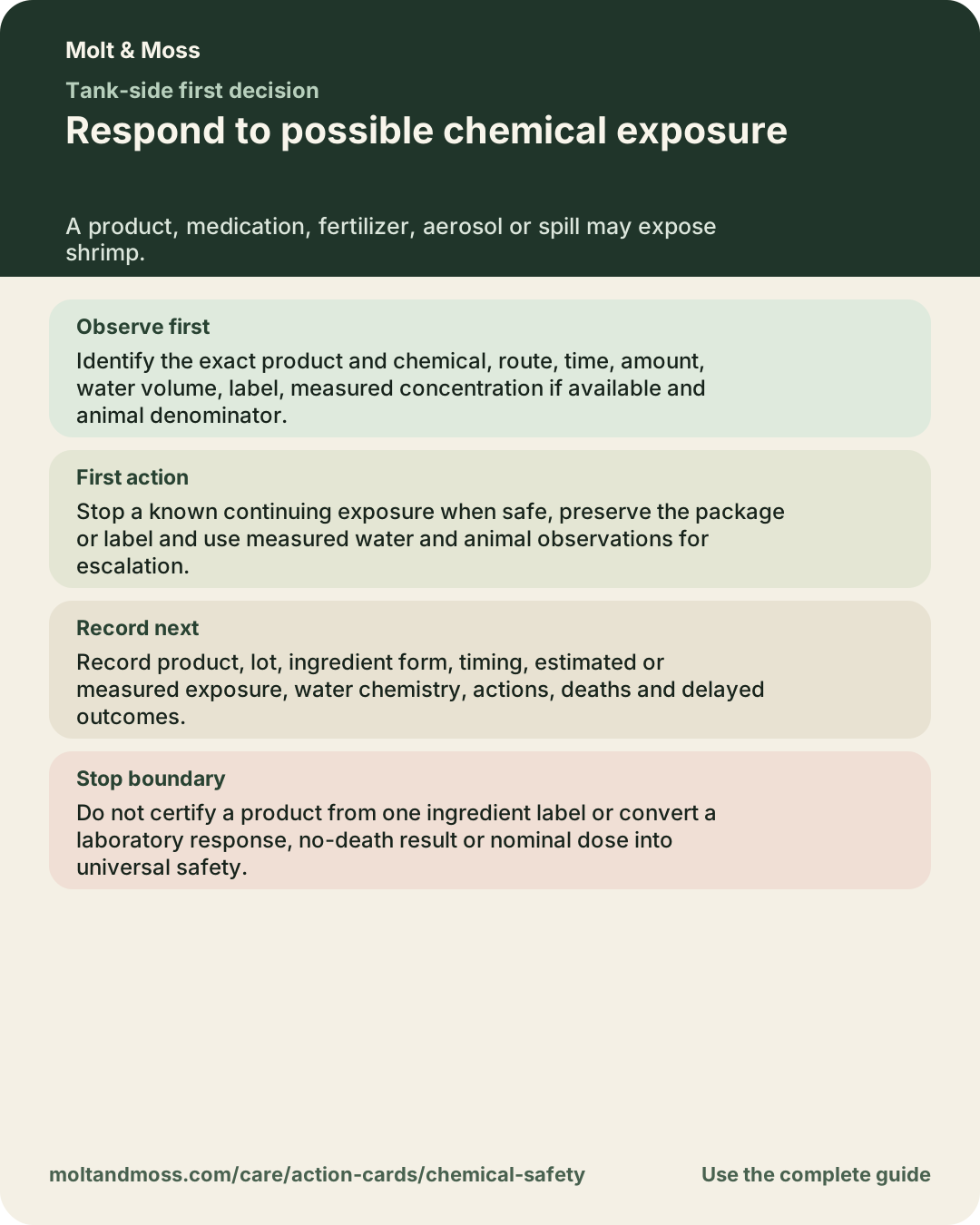
Respond to possible chemical exposure
Situation: A product, medication, fertilizer, aerosol or spill may expose shrimp.
Observe first: Identify the exact product and chemical, route, time, amount, water volume, label, measured concentration if available and animal denominator.
First action: Stop a known continuing exposure when safe, preserve the package or label and use measured water and animal observations for escalation.
Record next: Record product, lot, ingredient form, timing, estimated or measured exposure, water chemistry, actions, deaths and delayed outcomes.
Stop boundary: Do not certify a product from one ingredient label or convert a laboratory response, no-death result or nominal dose into universal safety.
Open the permanent card, open the governing guide, open this portable card, or open the complete visual card.
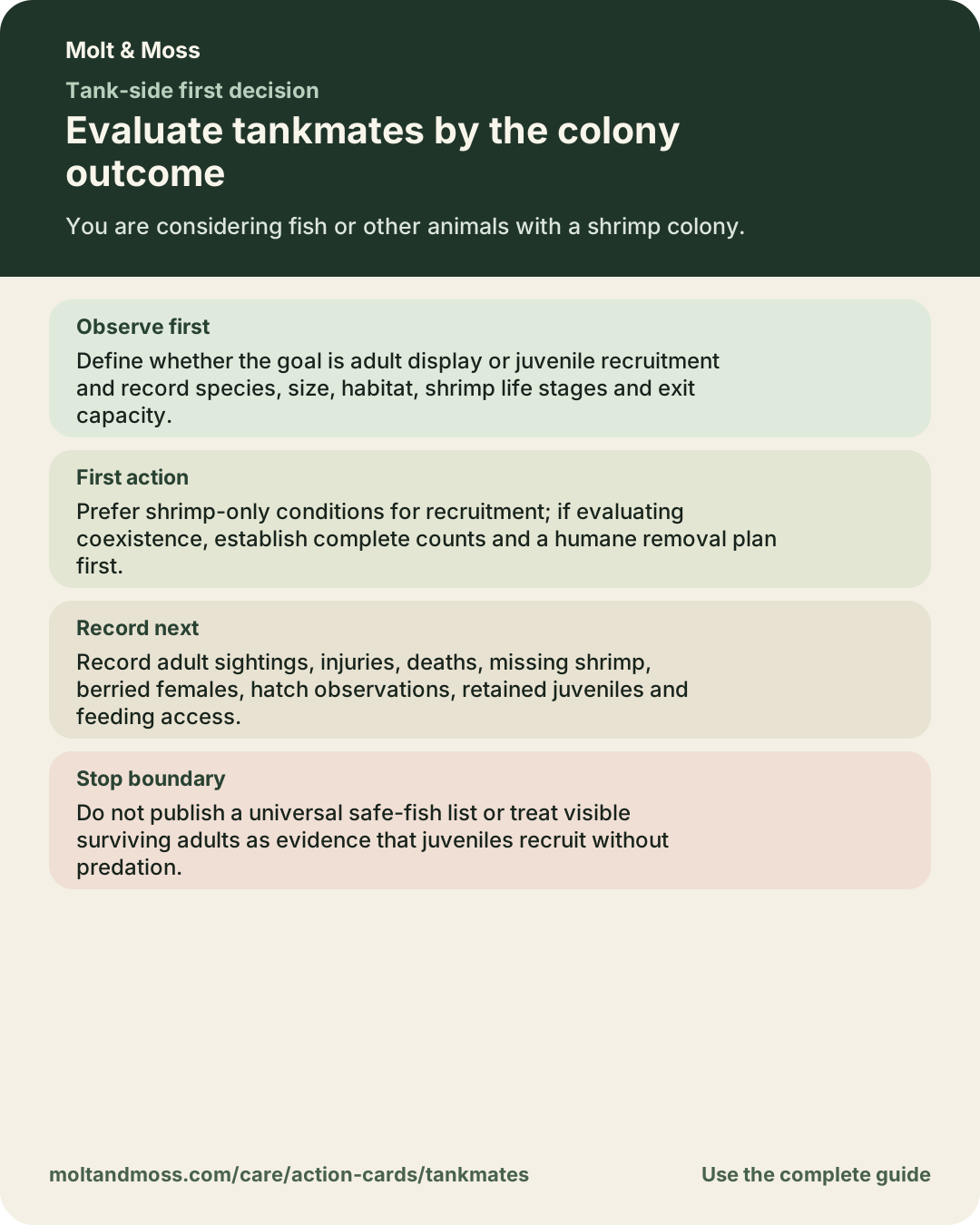
Evaluate tankmates by the colony outcome
Situation: You are considering fish or other animals with a shrimp colony.
Observe first: Define whether the goal is adult display or juvenile recruitment and record species, size, habitat, shrimp life stages and exit capacity.
First action: Prefer shrimp-only conditions for recruitment; if evaluating coexistence, establish complete counts and a humane removal plan first.
Record next: Record adult sightings, injuries, deaths, missing shrimp, berried females, hatch observations, retained juveniles and feeding access.
Stop boundary: Do not publish a universal safe-fish list or treat visible surviving adults as evidence that juveniles recruit without predation.
Open the permanent card, open the governing guide, open this portable card, or open the complete visual card.
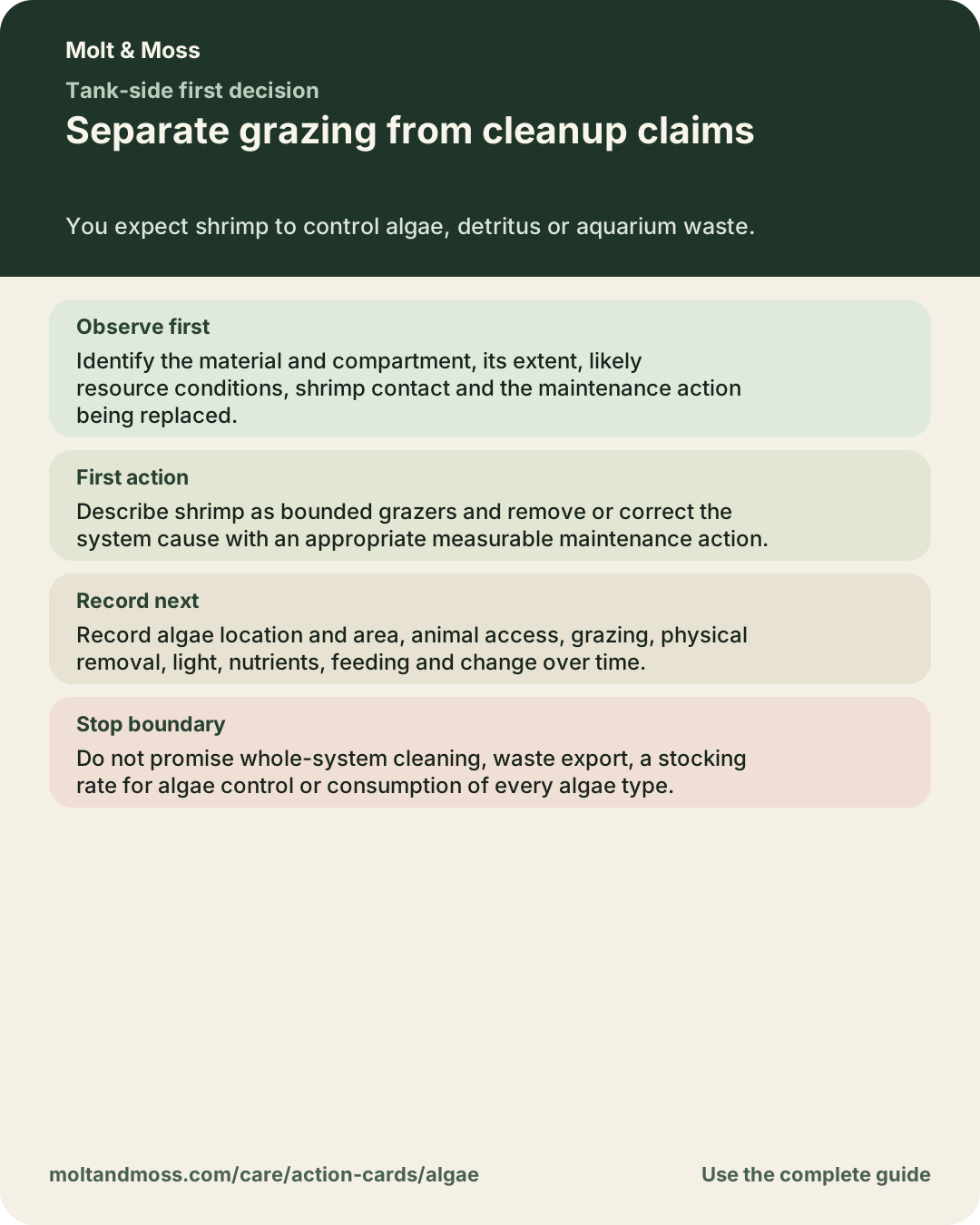
Separate grazing from cleanup claims
Situation: You expect shrimp to control algae, detritus or aquarium waste.
Observe first: Identify the material and compartment, its extent, likely resource conditions, shrimp contact and the maintenance action being replaced.
First action: Describe shrimp as bounded grazers and remove or correct the system cause with an appropriate measurable maintenance action.
Record next: Record algae location and area, animal access, grazing, physical removal, light, nutrients, feeding and change over time.
Stop boundary: Do not promise whole-system cleaning, waste export, a stocking rate for algae control or consumption of every algae type.
Open the permanent card, open the governing guide, open this portable card, or open the complete visual card.
Registry version 1.0, reviewed 2026-08-12. Coverage means every current detailed guide has a card. It does not mean every possible keeper situation is covered.